How Long Do Betta Fish Live in Captivity Tips
Betta fish typically live 2 to 4 years in captivity, but with proper care, some can reach 5 years or more. Their lifespan depends heavily on tank size, water quality, diet, and stress management. By understanding their natural needs and avoiding common mistakes, you can help your betta thrive. This guide covers everything you need to know to maximize your fish’s healthy years.
If you just brought home a vibrant betta fish, you probably want to know how long your new companion will stick around. These beautiful fish can bring so much joy to a room, but their lifespan often surprises new owners. Many people expect a short life because bettas are sold in tiny cups, yet the reality is quite different when they receive proper care. Understanding how long do betta fish live in captivity helps you plan for the future and give them the best possible life.
The truth is that betta fish are not low-maintenance pets despite their small size. They need stable water, good food, and a calm environment to thrive. When owners skip basic care steps, the fish often struggle with stress, illness, or poor growth. On the other hand, a well-cared-for betta can live well past the average range. In this guide, we will walk through the real lifespan expectations, the factors that change longevity, and practical steps you can take starting today.
You will learn what influences aging, how to set up a healthy tank, and which daily habits make the biggest difference. We will also clear up common myths that lead to poor care choices. By the end, you will have a clear roadmap to help your betta live a full, active life. Let’s dive into the details.
Key Takeaways
- Average lifespan: Most betta fish live 2 to 4 years in captivity with proper care.
- Tank size matters: A minimum 5-gallon tank supports better water stability and longer life.
- Water quality is critical: Clean, warm, filtered water prevents disease and stress.
- Diet impacts longevity: A balanced mix of pellets, frozen, and occasional live food keeps bettas healthy.
- Stress reduction extends life: Avoid overcrowding, aggressive tank mates, and sudden environment changes.
- Signs of aging: Slower movement, faded colors, and reduced appetite often appear after year 3.
- Preventive care saves years: Regular water changes, quarantine for new items, and prompt health checks make a big difference.
📑 Table of Contents
- Understanding How Long Do Betta Fish Live in Captivity
- Key Factors That Affect Betta Lifespan
- Diet and Nutrition for a Longer Life
- Housing, Tank Mates, and Stress Management
- Common Care Mistakes That Shorten Lifespan
- Health Monitoring and Aging Signs
- Practical Routine for Maximizing Lifespan
- Final Thoughts on Betta Longevity
Understanding How Long Do Betta Fish Live in Captivity
When people ask how long do betta fish live in captivity, the most common answer is two to four years. This range reflects what happens when owners provide decent care without optimizing every detail. Many pet store bettas arrive with some stress or minor health issues, which can shorten their life if not addressed early. However, the species itself is capable of living longer when conditions remain stable and supportive.
It helps to think of lifespan as a combination of genetics, environment, and daily care. A betta born with strong genetics still needs clean water and proper nutrition to reach its full potential. Likewise, perfect water means little if the fish sits in a tiny bowl with no warmth or stimulation. Every factor works together, so improving even one area can add meaningful time to your fish’s life.
You may hear stories of bettas living five years or more. These cases usually involve careful owners who tracked water parameters, fed a varied diet, and avoided sudden changes. While not every betta will reach that age, aiming high encourages better habits from day one. The goal is not just a longer life, but a healthier and more active one.
What the Average Lifespan Really Means
The average lifespan reflects typical care, not ideal care. Many beginners keep bettas in unfiltered bowls or change water rarely, which creates stress and disease over time. Others overfeed or keep the tank too cold, which slows metabolism and weakens immunity. These small issues add up and can cut years off a betta’s life.
A healthy betta usually shows bright colors, active swimming, and a steady appetite. When these signs fade early, it often points to environment or diet problems rather than old age. By learning what normal behavior looks like, you can spot trouble sooner and adjust quickly. Early action is one of the simplest ways to protect your fish’s longevity.
Captivity Versus the Wild
In the wild, bettas live in shallow rice fields, slow streams, and warm flooded areas across Southeast Asia. They face predators, seasonal changes, and limited food, which naturally shortens their life. In captivity, they avoid many of those dangers, but they also face new risks like poor tank setup, chemical exposure, and inconsistent care.
A well-managed home tank can absolutely support a longer life than the wild. The key is recreating the important parts of their natural environment: warm water, gentle flow, places to rest, and clean conditions. When you provide those basics, your betta can enjoy a safer and more predictable life.
Key Factors That Affect Betta Lifespan
Several core factors shape how long do betta fish live in captivity. If you understand these drivers, you can make smarter choices and avoid common pitfalls. The biggest influences include tank size, water quality, temperature, diet, and stress levels. Each one matters on its own, but they also interact with each other every day.
For example, a larger tank usually holds more stable water, which reduces stress and supports better health. Good food fuels the immune system, while poor water can undo the benefits of great nutrition. A calm environment helps the fish use energy for growth and repair instead of constant alertness. Think of these factors as a team, where every part needs to perform well.
Tank Size and Space
Space is one of the first things to consider. A cramped container makes it harder to maintain clean water and gives the fish little room to move. Many beginners believe bettas are happy in tiny bowls because they can survive there for a while. Survival is not the same as thriving, and limited space often leads to faster decline.
A 5-gallon tank is widely considered the practical minimum for a single betta. It gives enough water volume to buffer temperature swings and waste buildup. It also allows room for a simple filter and a small heater, which are both important for stable care. If you can provide more space, that is even better for long-term health.
Water Quality and Filtration
Clean water is the foundation of a long betta life. Fish live in their own waste, so ammonia and nitrite can build up quickly in small or unfiltered setups. These compounds irritate the gills and stress the immune system, which opens the door to illness. Regular maintenance keeps the environment safe and predictable.
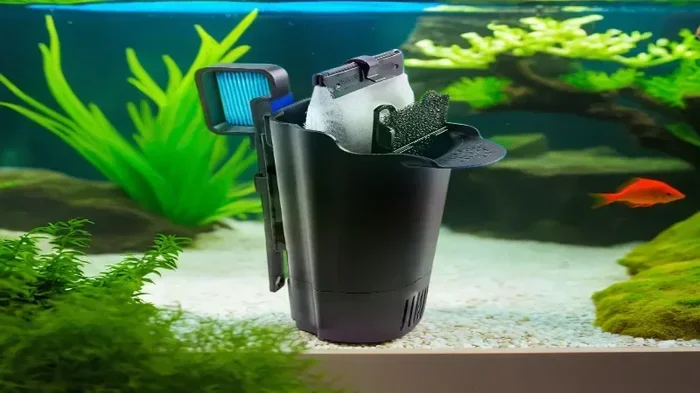
A gentle filter helps by moving water and supporting beneficial bacteria that break down waste. You do not need strong currents, since bettas prefer calm water. Weekly water changes, vacuumed substrate, and rinsed filter media keep the tank balanced without wiping out good bacteria. Consistency matters more than perfection.
Many owners also ask can betta fish live in unfiltered water or can betta fish live in stagnant water. The short answer is that they can survive for a time, but those conditions are risky over the long term. Stagnant or unfiltered water tends to collect waste and reduce oxygen exchange, which makes the fish work harder just to breathe. A simple filter and routine changes are much safer for a longer life.
Temperature and Environment Stability
Bettas are tropical fish, so warmth plays a major role in their metabolism and overall health. When water sits too cold, their digestion slows and their activity drops. That can lead to weakness, poor appetite, and greater vulnerability to disease. A stable heater helps keep conditions in a comfortable range.
Stability matters just as much as the temperature number itself. Rapid swings can shock the fish and create ongoing stress. Place the tank away from drafts, direct sunlight, and heavy foot traffic if possible. A quiet, steady environment supports better immunity and a calmer demeanor.
Diet and Nutrition for a Longer Life
Food is another major piece of how long do betta fish live in captivity. A betta that eats well usually has better color, stronger fins, and a more resilient immune system. The problem is that many owners rely on one type of food or feed too much, which can cause health issues over time. A thoughtful feeding routine makes a real difference.
Bettas are carnivorous by nature, so they do best on protein-rich foods. High-quality pellets formulated for bettas are a solid base because they are convenient and nutritionally balanced. You can round that out with occasional frozen or live options to add variety and encourage natural feeding behavior. Variety helps prevent nutritional gaps and keeps mealtime interesting.
Best Foods for Betta Health
A good diet usually includes a few different food types used in moderation:
- Betta pellets: A reliable staple that is easy to portion and store.
- Frozen bloodworms: A popular treat that many bettas love.
- Frozen brine shrimp: A soft, protein-rich option that is gentle on digestion.
- Live foods: Useful for enrichment, though they should be sourced carefully.
If you want to explore live feeding, you can read more about do betta fish eat live food, do betta fish eat live bloodworms, and do betta fish eat live brine shrimp to understand which options are commonly used and how they fit into a balanced routine. These foods can be excellent treats, but they should supplement a staple diet rather than replace it.
Feeding Routine and Overfeeding Risks
Overfeeding is one of the most common mistakes in betta care. Too much food sinks into the substrate, decays, and pollutes the water. It can also cause bloating and digestive discomfort for the fish. Small, controlled meals are safer and easier to manage.
A simple routine works best: offer only what your betta can finish in a couple of minutes, once or twice a day. You can skip a meal occasionally if the fish seems slow or the water needs a reset. Watch the belly shape and adjust portions if needed. A lean, active betta is usually healthier than an overfed one.
Housing, Tank Mates, and Stress Management
Stress is a silent lifespan killer. Even a well-fed betta can struggle if it feels threatened, crowded, or exposed to constant disturbance. That is why housing choices matter so much when thinking about how long do betta fish live in captivity. The right setup lowers stress and helps the fish feel secure.
Bettas are often kept alone, and many do best that way. Males can be aggressive toward other males, and even some tank mates may nip fins or compete for space. If you want company for your betta, choose calm, compatible species and give the tank enough room for everyone to establish their own space.
Can Betta Fish Live With Other Fish
This is a common question, and the answer depends on the individual fish and the tank setup. Some bettas tolerate peaceful companions, while others prefer a solo home. If you are considering a community tank, it helps to research compatibility carefully before adding anyone new.
You may find it useful to look into can other species of fish live in a betta aquarium, can guppy and betta fish live together in one aquarium, can guppies and betta fish live in the same tank, can female betta fish live in the same tank, can female betta fish live in a community tank, and can two male betta fish live in the same tank. These topics explain why pairing decisions matter and how aggression, space, and temperament affect safety.
Shrimp are another option some owners explore. If you are curious about invertebrates, you can review can shrimp live with betta fish in 5 galon to see what factors usually determine success. The general idea is that smaller tank mates can sometimes work, but only when the betta is calm and the tank is large enough to reduce conflict.
Signs of Stress and How to Reduce It
Stress often shows up quietly before it becomes a bigger problem. Watch for these signs:
- Hiding more than usual
- Clamped fins or dull color
- Faster breathing or frequent surface gasping
- Refusing food or spitting food out
- Excessive pacing or erratic swimming
To reduce stress, keep the tank in a calm location, maintain stable water, and avoid sudden changes. Add plants or gentle decorations so the fish has places to rest and hide. If you are wondering whether bettas get bored, you can explore do betta fish get bored in a tank for ideas on enrichment and mental stimulation. A stimulated fish often shows more natural behavior and better overall condition.
Common Care Mistakes That Shorten Lifespan
Even well-meaning owners can make choices that reduce longevity. The good news is that most of these mistakes are fixable once you know what to look for. Avoiding them is one of the easiest ways to improve how long do betta fish live in captivity.
One major mistake is keeping a betta in a bowl without a heater or filter. Another is changing all the water at once, which can shock the fish and wipe out helpful bacteria. Overfeeding, using harsh chemicals, and moving the fish around too often also create unnecessary strain. Small, steady care habits usually outperform dramatic interventions.
Bowl Living and Unheated setups
Betta bowls are popular because they look simple, but they are often too small to hold stable water. Temperature swings and waste buildup happen faster in tiny containers. If you are considering a bowl, it is worth reading can my betta fish live in a bowl, can betta fish live in a bowl, can betta fish live in small bowls, can betta fish live in a small bowl, can betta fish live in unheated bowl, and can betta fish live in shallow water. These guides explain why space and warmth matter so much for long-term health.
A larger, filtered, and heated tank usually gives you a much easier care routine and a safer home. It may take a little more space on your shelf, but it often pays off in better fish health and fewer emergencies.
Water Source and Chemical Safety
Water choice also matters. Tap water can work well if it is treated properly, but untreated tap water may contain chlorine or other irritants. Some owners also ask could a betta fish live in tap water, can betta fish live in tap water for one day, can betta fish live in tap water soft water, can betta fish live in regular tap water, and can betta fish live in stimulating water. The main point is that water should be safe, stable, and matched to the fish’s needs before it goes into the tank.
If you use tap water, a proper conditioner can help make it suitable for your betta. It is also smart to check hardness and pH if you are trying to maintain a consistent environment. Sudden changes in water chemistry can stress fish more than a slightly imperfect but stable setup.
Some owners also wonder about water softness and hardness. If that is on your mind, you can explore can betta fish live in soft water and do betta fish do well in hard water. Understanding your water profile helps you make better maintenance choices and avoid avoidable stress.
Health Monitoring and Aging Signs
As bettas age, their behavior and appearance change in predictable ways. Knowing what is normal helps you separate aging from illness. This is an important part of understanding how long do betta fish live in captivity, because early detection can save a fish from declining too quickly.
Older bettas may swim a bit more slowly, rest more often, or show slightly faded color. Those changes can be natural if they happen gradually. Sudden lethargy, lesions, torn fins, or a complete loss of appetite are more likely signs of a health problem. When in doubt, inspect the fish closely and check the water parameters first.
Fin Health and Pain Awareness
Fins are a good window into a betta’s condition. Torn, frayed, or discolored fins can come from injury, poor water, or fin-nipping tank mates. If you want to understand how bettas experience physical damage, you can read do betta fish feel pain in their fins. That topic helps explain why fin care matters and why clean water and gentle decor are so important.
It is also worth learning whether bettas use rocks or decor in ways that affect their comfort. Some owners ask do betta fish hide in rocks and do betta fish digging in rocks. These behaviors can be normal, but rough decorations can sometimes cause abrasions. Smooth edges and safe materials reduce the chance of injury.
Breeding and Lifespan Context
Breeding can be interesting, but it is not necessary for a pet betta’s longevity. In fact, frequent breeding pressure can be stressful if not managed carefully. If you are curious about reproduction, you can explore do betta fish breed in captivity, do betta fish lay eggs or have live birth, do betta fish have live babies, and do betta fish have live babies or eggs. These articles clarify how betta reproduction works and why egg-laying matters for their biology.
For most pet owners, the focus should stay on steady care rather than reproduction. A calm, well-fed, and healthy pet betta is usually the best path to a longer life.
Practical Routine for Maximizing Lifespan
If you want a simple plan, this routine covers the essentials without overwhelming you. Consistency is the real secret behind how long do betta fish live in captivity. You do not need fancy equipment, just reliable habits.
Start with a properly sized tank, a gentle filter, and a heater that keeps the water warm and steady. Feed small portions of quality food, and add variety in moderation. Perform regular water changes, test the water when needed, and watch your fish daily for small changes. Keep the tank in a quiet spot and avoid frequent rearrangements.
Quick Tips for Better Longevity
- Use a tank of at least 5 gallons for better stability.
- Keep water warm, clean, and gently filtered.
- Feed small meals and avoid overfeeding.
- Add plants or safe decor for resting spots.
- Limit sudden changes in the environment.
- Observe your betta daily for early warning signs.
- Quarantine new items when possible before adding them.
Common Mistakes to Avoid
- Keeping the fish in a tiny bowl long term.
- Skipping water changes or changing too much at once.
- Feeding only one food type or too much food.
- Placing the tank near drafts, heat sources, or loud noise.
- Adding aggressive or incompatible tank mates without research.
- Using decorations with sharp edges that can damage fins.
Expert Insights
Experienced keepers often say that stability beats perfection. A betta does not need a perfect tank on day one, but it does need steady conditions over time. Another common insight is that observation is underrated. Spending a few minutes each day watching your fish helps you notice subtle changes before they become serious.
It also helps to think of care as a system. Food affects waste, waste affects water, water affects stress, and stress affects lifespan. When one part improves, the others often follow. That is why a simple, consistent routine usually works better than occasional intense efforts.
Final Thoughts on Betta Longevity
So, how long do betta fish live in captivity? Most will live around two to four years, and many can do even better with thoughtful care. The difference usually comes down to stable water, proper warmth, good food, and a calm home. When those pieces are in place, your betta has a much better chance to live fully and comfortably.
The best part is that you do not need to be an expert to make a positive impact. Start with the basics, keep your routine simple, and pay attention to your fish’s behavior. Over time, those habits build a healthier environment and a stronger bond between you and your pet. A well-cared-for betta can be a beautiful, lively companion for years.
Frequently Asked Questions
How long do betta fish live on average?
Most betta fish live about 2 to 4 years in captivity when they receive decent care. With excellent water, diet, and low stress, some can live longer. Lifespan varies based on genetics and daily maintenance.
What tank size helps betta fish live longer?
A 5-gallon tank or larger is a good starting point for a single betta. More water volume helps keep temperature and water quality stable. That stability reduces stress and supports better long-term health.
Do betta fish need a filter and heater?
Yes, a gentle filter and a heater are usually best for long-term care. Bettas are tropical fish that do best in warm, clean, and well-oxygenated water. These tools help maintain stable conditions and reduce disease risk.
What foods help betta fish live longer?
A protein-rich staple diet, such as quality betta pellets, works well as a base. Frozen or occasional live foods can add variety and enrichment. Feeding small portions and avoiding overfeeding is just as important as food choice.
Can stress shorten a betta fish lifespan?
Yes, chronic stress can weaken a betta’s immune system and make it more prone to illness. Crowding, aggressive tank mates, poor water, and sudden changes all increase stress. A calm, stable setup helps reduce that risk.
What are signs that a betta fish is aging or unwell?
Aging bettas may move more slowly, rest more, or show slightly faded color over time. Sudden appetite loss, torn fins, spots, or labored breathing usually point to a health issue rather than normal aging. Checking water quality first is often the best next step.