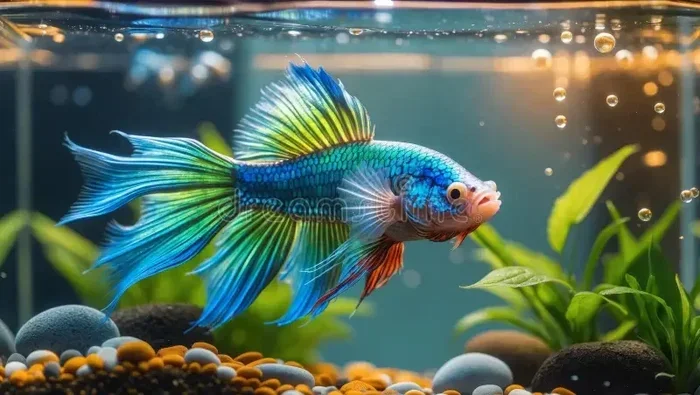
Do Betta Fish Yawn What It Really Means For Your Fish
Do betta fish yawn? Yes, they do, but it is not the same tired yawn you see in humans. Most of the time, this behavior shows your fish is adjusting to water flow, temperature, or oxygen levels. Sometimes it signals stress, poor water quality, or breathing trouble. Understanding the real meaning helps you keep your betta calm, healthy, and active.
Many new betta owners notice their fish open its mouth wide and wonder what is happening. You might see that slow, deliberate motion and think your fish is tired. You might even ask yourself, do betta fish yawn the same way we do. The short answer is no, not really. Their version looks similar, but the reason behind it is usually very different.
That difference matters a lot. If you assume your betta is just sleepy, you might miss a water quality problem or a stress signal. On the other hand, if you panic every time your fish opens its mouth, you may create more stress for yourself and your tank. The good news is that this behavior is easy to understand once you know what to look for.
In this guide, you will learn why bettas open their mouths, when it is normal, and when it deserves your attention. I will keep things simple, practical, and easy to use. You will also find quick tips, common mistakes, and a few expert insights that can help you care for your fish with confidence.
Key Takeaways
- Normal behavior: Betta fish open their mouths wide for several natural reasons, not just tiredness.
- Water quality matters: Poor water conditions often trigger frequent mouth opening and breathing changes.
- Oxygen and flow: Strong currents or low oxygen can make your betta work harder to breathe.
- Stress signals: Repeated yawning paired with hiding or color loss may mean your fish feels unsafe.
- Tank setup counts: Smooth water movement, clean water, and proper temperature reduce breathing stress.
- Watch the pattern: Occasional mouth opening is fine, but constant gasping needs quick attention.
- Simple fixes help: Water changes, gentle filtration, and stable heat often solve the problem fast.
📑 Table of Contents
- Do Betta Fish Yawn and Why Does It Happen
- Do Betta Fish Yawn Because of Water Quality
- Do Betta Fish Yawn More in Strong Currents or Low Oxygen
- Do Betta Fish Yawn When They Are Stressed
- Do Betta Fish Yawn Near the Surface or After Eating
- Do Betta Fish Yawn and When Should You Worry
- Do Betta Fish Yawn Less When Their Tank Is Healthier
- Final Thoughts on Do Betta Fish Yawn
Do Betta Fish Yawn and Why Does It Happen
Bettas do not yawn because they stayed up too late. They open their mouths for practical reasons tied to breathing, comfort, and environment. That means the behavior is usually a reaction, not a tired habit. Once you understand that, the whole topic becomes much easier to read.
A betta may stretch its mouth for a few common reasons. It might be adjusting to water movement. It might be testing oxygen levels. It might even be reacting to a sudden change in temperature or light. Sometimes the fish is simply moving its jaw and stretching in a way that looks like a yawn to us.
Natural Mouth Movements
Bettas use their mouths for more than eating. They explore, they sense their surroundings, and they move water across their gills. A wide mouth opening can be part of that routine. If your fish is calm, alert, and swimming normally, a single mouth stretch is usually nothing to worry about.
When It Looks Like a Yawn
The human yawn is often linked to fatigue or boredom. The betta version is more about function. If the mouth opens slowly, stays open for a moment, and then closes again, it may simply be a stretch. If the fish repeats the motion often, you should pay closer attention to the tank conditions.
Quick Tip: Watch the whole body, not just the mouth. A relaxed betta with normal fins and steady swimming is usually just stretching.
Do Betta Fish Yawn Because of Water Quality
Water quality is one of the biggest reasons a betta changes its breathing behavior. If the water has too much waste, too much ammonia, or too many uneaten food particles, your fish may react. The mouth opening can be part of that reaction. In many cases, the fish is trying to cope with a less comfortable environment.
This is why regular maintenance matters so much. A clean tank does more than look nice. It helps your betta breathe easier, stay active, and feel less stressed. If you notice frequent mouth opening, start by checking the basics before assuming your fish is sick.
Signs Your Water May Need Attention
- Cloudy or hazy water
- A strong or unpleasant smell
- Leftover food sitting on the bottom
- Uneven temperature in the tank
- More frequent mouth opening than usual
Simple Water Checks
You do not need to guess. A few simple checks can tell you a lot. Look at the water clarity. Smell the tank gently if you need to. Check your filter flow. Make sure the heater is holding a steady temperature. If something seems off, fix the most likely issue first.
Common Mistake: Changing too much water at once can shock your fish. Small, steady changes are usually safer and more effective.
Do Betta Fish Yawn More in Strong Currents or Low Oxygen
Bettas prefer calm, gentle water. They are not built for heavy flow. If your filter pushes water too hard, your fish may struggle to stay comfortable. That struggle can show up as repeated mouth opening, frequent pauses in place, or more time spent near the surface.
Oxygen levels matter too. Warm water holds less oxygen than cooler water. If the tank is warm, crowded, or poorly aerated, your betta may work harder to breathe. A wide mouth opening can be part of that effort. It does not always mean something is seriously wrong, but it does mean you should look at the environment.
How Flow Affects Comfort
Strong flow can make swimming tiring. It can also push the fish around in a way that feels stressful. If your betta constantly angles against the current, it may become frustrated or exhausted. Over time, that stress can weaken its overall condition.
Gentle Setup Ideas
- Use a low-flow filter or adjust the output
- Add smooth plants or decorations to break up current
- Keep the water level steady and the surface calm
- Avoid placing the tank near loud speakers or constant vibration
Expert Insight: Bettas do best in calm, stable water. A gentle setup usually supports better breathing, better color, and better behavior than a rough, fast-moving one.
Do Betta Fish Yawn When They Are Stressed
Stress can change a lot of behaviors, and mouth opening is one of them. A stressed betta may also hide more, lose color, clamp its fins, or stop eating. If yawning-like motions happen alongside those signs, the issue may be emotional or environmental rather than physical illness.
Stress comes from many places. A new tank mate can cause tension. A sudden move can be unsettling. Bright lights, loud noise, or constant tapping on the glass can also make a fish uneasy. Even a poor hiding spot can make a betta feel exposed.
Stress Clues to Watch
- Hiding more than usual
- Faded or dull color
- Tight or clamped fins
- Less interest in food
- Frequent mouth opening with no relaxed body language
Calming the Tank
You can often reduce stress with small changes. Give your betta a place to rest and hide. Keep lighting on a steady schedule. Avoid sudden tank changes. Move slowly when you clean the tank or add new items. A calmer environment usually leads to calmer behavior.
Do Betta Fish Yawn Near the Surface or After Eating
Sometimes the location and timing tell you a lot. If your betta opens its mouth near the top of the tank, it may be paying attention to the surface layer. Bettas naturally visit the surface because they can breathe air from it. That does not automatically mean something is wrong, but repeated surface time can be worth watching.
After eating, your fish may also make different mouth movements. It might stretch its jaw, clear its mouth, or adjust after a meal. That is usually normal. Still, if your betta seems to struggle while eating or spits food repeatedly, you may need to check the food type, portion size, or water conditions.
Surface Behavior Basics
Bettas have a special breathing adaptation that lets them gulp air. This helps them survive in low-oxygen water. It also means surface visits are part of their normal routine. The key is balance. A quick trip to the top is fine. Constant staying at the surface is not.
Meal-Related Mouth Movements
- Normal chewing or jaw adjustment
- Brief mouth stretching after a bite
- Occasional cleaning motions
- Repeated difficulty swallowing may need attention
Quick Tip: Feed small portions and remove extra food. Overfeeding can dirty the water and make breathing less comfortable.
Do Betta Fish Yawn and When Should You Worry
Most of the time, a single mouth stretch is harmless. The real question is pattern and context. Is it happening once in a while, or all the time? Is your fish relaxed, or tense? Is the water clean, or cloudy? Those details matter more than the mouth motion alone.
If the behavior is frequent and paired with weak swimming, color loss, lethargy, or breathing trouble, treat it as a warning sign. Start with the environment. Check temperature, water quality, and flow. Then look at the fish itself. If the problem continues, you may need to act more quickly.
A Simple Comparison Table
Here is a quick way to compare normal behavior and warning signs:
| Behavior | Usually Normal | Worth Checking |
| Mouth stretch | Occasional, relaxed body | Frequent, tense body |
| Surface visit | Brief and occasional | Constant or labored |
| Swimming | Steady and alert | Weak, drifting, or struggling |
| Color | Bright and clear | Faded or patchy |
| Food response | Eats normally | Refuses food or struggles |
Fast Action Steps
- Check the water temperature
- Look for waste, cloudiness, or leftover food
- Reduce strong water flow if needed
- Confirm the filter is working properly
- Observe your fish for a few hours
- Make small, careful adjustments instead of big changes
Common Mistake: Waiting too long to act when the fish is clearly struggling. Early changes are easier and safer than emergency fixes.
Do Betta Fish Yawn Less When Their Tank Is Healthier
A healthier tank usually means a calmer fish. When the water is clean, the temperature is steady, and the flow is gentle, your betta has less to cope with. That often reduces odd breathing behaviors and makes daily movement look more natural.
Good care does not have to be complicated. It is mostly about consistency. Stable heat, regular cleaning, safe decorations, and proper feeding go a long way. If you build those habits, you will spend less time worrying about small behaviors and more time enjoying your fish.
Everyday Care Habits
- Keep the temperature steady and appropriate
- Clean the tank on a regular schedule
- Remove uneaten food before it breaks down
- Use gentle filtration and safe decor
- Watch your fish daily so changes are easy to spot
A Note on Breathing Support
Some owners ask whether extra equipment helps. In many cases, the best support is simply better maintenance and gentler water movement. If you want to learn more about airflow and circulation, you can read about whether betta fish like air pump circulation. If filtration is your main concern, it may also help to explore whether betta fish like air filters. Both topics can help you understand how water movement affects comfort.
Expert Insight: The best tank is not the most decorated one. It is the one that feels stable, clean, and easy for your betta to live in every day.
Final Thoughts on Do Betta Fish Yawn
So, do betta fish yawn in the human sense? Not exactly. They do open their mouths in ways that can look like yawning, but the reason is usually practical. It may be a stretch, a reaction to water flow, a response to temperature, or a sign that something in the tank needs attention. Once you learn to read the full picture, the behavior becomes much easier to understand.
The best approach is simple. Stay calm, observe carefully, and check the basics first. Clean water, steady heat, and gentle flow solve many small problems before they grow. If your betta is relaxed, eating well, and swimming normally, an occasional mouth opening is usually nothing to fear. If the behavior becomes frequent or comes with other warning signs, treat it as a cue to improve the environment.
Your betta depends on you to notice the small things. With a little attention and consistent care, you can keep the tank comfortable and your fish at ease. That is the real goal: not just watching a behavior, but understanding it well enough to help your betta live better.
Frequently Asked Questions
Do betta fish yawn when they are tired?
No, bettas do not yawn from tiredness the way people do. Their mouth opening is usually linked to breathing, stretching, or reacting to the tank environment. If your fish seems sleepy, look at water quality, temperature, and stress instead of assuming it is just tired.
Is it normal for a betta fish to open its mouth wide?
Yes, occasional mouth opening can be normal. Bettas may stretch their jaws, move water, or adjust to their surroundings. It becomes more concerning only if the behavior is frequent, repeated, or paired with other signs of stress or illness.
Why does my betta fish keep opening its mouth near the top of the tank?
Bettas often visit the surface because they can breathe air there. A brief trip to the top is usually normal. If your fish stays near the surface too long or seems to work hard to breathe, check oxygen levels, water quality, and temperature.
Can poor water quality make a betta fish yawn more?
Yes, poor water conditions can make a betta uncomfortable and change its breathing behavior. Waste, cloudy water, and leftover food can all make the tank less pleasant. Regular cleaning and steady maintenance usually help reduce the behavior.
Should I worry if my betta fish yawns after eating?
Not always. After eating, a betta may stretch its mouth or clean its jaw, which can look like yawning. If it eats normally and acts alert afterward, it is usually fine. If it struggles to swallow or refuses food, check the food size and tank conditions.
How can I tell if my betta fish is stressed instead of just stretching?
Look at the whole fish, not just the mouth. Stress often shows up with hiding, dull color, clamped fins, less eating, or tense body language. A relaxed betta usually moves smoothly and keeps a more natural posture. If stress signs appear together, improve the environment and reduce disturbances.