Is My Betta Fish Happy Signs To Watch For Today
Is my betta fish happy? This question worries many aquarium owners who want the best for their colorful companions. A happy betta shows vibrant colors, active swimming, and healthy eating habits. By watching for these clear signs, you can ensure your fish lives a joyful life. Understanding your betta’s behavior helps you create a safe and loving home.
Keeping a betta fish is a wonderful experience. These colorful creatures bring life to any room. But many owners worry about their pet’s emotional state. You might ask yourself, is my betta fish happy? This is a very common question. It shows you care deeply about your aquatic friend.
Betta fish are not like dogs or cats. They cannot wag their tails or purr. However, they do show signs of well-being. You just need to know what to look for. A content fish behaves in specific ways. These behaviors tell you about their health and mood.
In this guide, we will explore everything you need to know. We will look at physical signs and behavioral cues. You will learn how to create a perfect home. By the end, you will feel confident in your care. Let us dive into the world of betta happiness.
Key Takeaways
- Vibrant Colors: A happy betta displays bright, rich colors without dull patches.
- Active Swimming: Content fish swim around their tank with energy and curiosity.
- Healthy Appetite: A joyful betta eats eagerly during feeding time every day.
- Clean Environment: Proper water quality and temperature keep your betta stress-free.
- Bubble Nests: Male bettas often build nests when they feel secure and comfortable.
- No Hiding: Happy fish explore their tank instead of hiding constantly in corners.
- Smooth Fins: Healthy fins lie flat and smooth, showing no signs of damage.
📑 Table of Contents
Understanding the Signs: Is My Betta Fish Happy?
Determining is my betta fish happy starts with observation. You need to watch your fish daily. Look for patterns in their behavior. A happy betta is usually active and alert. They explore their environment with interest. They do not stay hidden all the time.
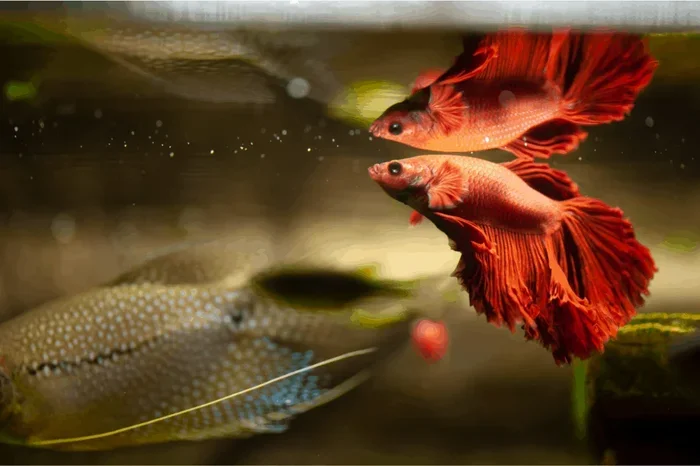
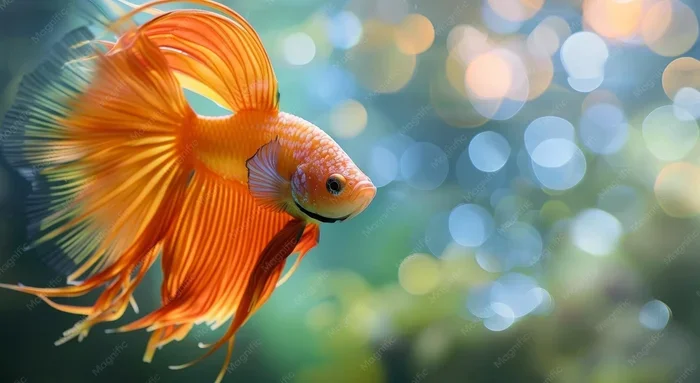
Physical appearance matters too. A healthy fish looks vibrant. Their scales should shine under the light. Dull colors can signal stress or illness. Bright colors often mean a fish is feeling good. This is one of the first things to check.
Vibrant Colors and Healthy Fins
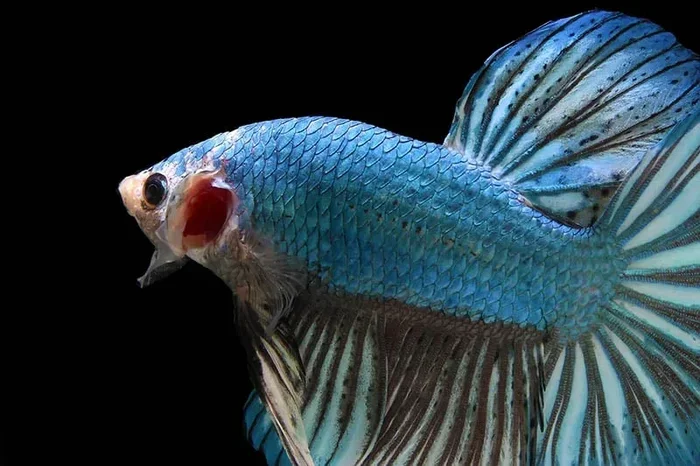
Color is a major indicator of health. Betta fish come in many stunning shades. Blues, reds, and purples should pop. If your fish fades, something might be wrong. Stress often causes color loss. A happy betta maintains their brilliant look.
Fins are another important clue. Healthy fins flow nicely in the water. They should not look clamped or torn. Damaged fins can hurt your fish. Smooth fins suggest your pet is comfortable. Check for any tears or holes regularly.
Active Swimming and Exploration
Movement tells you a lot about mood. A happy betta swims around the tank. They might investigate plants or decorations. They do not just sit at the bottom. Lethargy is a sign of trouble. Active swimming shows energy and joy.
Watch how they react to you. Some bettas recognize their owners. They might swim to the front of the glass. This shows curiosity and comfort. A scared fish will hide away. A happy fish wants to see what is happening.
Creating the Perfect Environment for Happiness
Your fish’s home plays a huge role. You cannot expect happiness in a poor setup. Water quality is the most critical factor. Dirty water makes fish sick and stressed. Clean water keeps them thriving. This directly answers is my betta fish happy.
Temperature matters as well. Bettas are tropical fish. They need warm water to feel good. Cold water slows them down. It weakens their immune system. A heater helps maintain the right heat. You can learn more about this at can my betta fish need a heater.
Water Quality and Temperature
Ammonia and nitrites are dangerous. These chemicals burn fish gills. They make breathing hard. You must test your water often. Filters help keep the water clean. Regular water changes are also essential.
Keep the temperature between 78 and 80 degrees. This range mimics their natural habitat. Consistent heat keeps metabolism steady. Your fish will eat better and swim more. Stable conditions reduce stress significantly.
Tank Size and Decorations
Small bowls are not ideal. Bettas need space to swim. A five-gallon tank is a good start. More space means less stress. Your fish can explore without bumping into walls. This improves their overall quality of life.
Decorations should be smooth. Sharp objects can tear fins. Plants provide hiding spots too. Live plants are best for oxygen. They also help clean the water. Your betta will feel secure with places to rest.
Feeding Habits and Appetite
Food is a big part of happiness. A hungry fish is not a happy fish. But overfeeding is also bad. You need a balanced routine. Watch how your betta reacts to food. Eager eating is a great sign.
If your fish ignores food, worry. Loss of appetite signals issues. It could be stress or illness. Check your water parameters first. Then look at the food quality. Fresh food tastes better to fish.
Choosing the Right Food
Bettas are carnivores mostly. They need protein-rich diets. Pellets made for bettas work well. You can also offer frozen treats. Bloodworms and brine shrimp are favorites. Variety keeps them interested in eating.
Do not feed them human food. Bread is bad for their stomachs. You can read more about this at can my betta fish eat bread. Stick to appropriate fish foods. This ensures proper nutrition and health.
Social Interaction and Tank Mates
Many people wonder about friends for their betta. Can they live with others? This depends on the fish. Some bettas are aggressive. Others are more peaceful. You need to know your specific fish.
Male bettas fight with other males. Never put two males together. They will attack each other. This causes severe stress and injury. Female bettas can sometimes live in groups. But careful monitoring is required.
Compatible Tank Mates
Some fish live well with bettas. Snails are often safe companions. They clean up leftover food. Small shrimp might work too. But avoid fin nippers. These fish bother your betta constantly. For more details, check can my betta fish live with snails.
Community tanks need space. Crowding causes aggression. Give everyone enough room. Watch interactions closely at first. Be ready to separate them if needed. Peaceful cohabitation is possible with care.
Health Indicators and Common Issues
Health issues affect happiness deeply. Sickness makes fish feel awful. You must spot problems early. Look for physical changes daily. White spots or fuzzy growths are bad signs. These need immediate treatment.
Parasites can also cause pain. Velvet is a common disease. It makes fish scrape against objects. You should learn about this risk. Visit can velvet kill my betta fish to understand the dangers. Prevention is always better than cure.
Recognizing Stress and Illness
Stress shows in many ways. Clamped fins are a common sign. Gasping at the surface is another. Hiding all the time is not normal. These behaviors mean something is wrong. Fix the environment to help them.
Injuries happen sometimes too. Sharp decor can cut fins. Aggressive tank mates might bite. If you see damage, act fast. Clean water helps healing. You can find info on injuries at did my betta fish get bitten.
Maintaining Long-Term Happiness
Happiness is not a one-time thing. It requires daily care. Consistency is key for your pet. Follow a routine for feeding and cleaning. Your fish will feel secure with routine. They know what to expect each day.
Observe your fish every single day. Notice small changes quickly. Early detection saves lives. A happy betta lives longer too. They resist disease better when content. Your effort pays off in longevity.
Lighting and Sleep Cycles
Fish need rest just like us. Too much light stresses them. Keep a regular light schedule. Use a timer for your tank light. Twelve hours on and twelve off works well. This helps them sleep properly.
Darkness is important for sleep. They do not have eyelids. They rest by staying still. Bright lights at night disturb them. You can learn more at can my betta fish sleep with lights. Respect their need for rest.
Conclusion
So, is my betta fish happy? You now have the tools to answer this. Look for bright colors and active swimming. Check your water quality and temperature often. Feed them nutritious food regularly. Provide a safe and spacious home.
Your betta depends on you completely. Their happiness reflects your care. A thriving fish is a beautiful sight. Enjoy watching your colorful companion. With love and attention, they will flourish. Your dedication makes all the difference.
Frequently Asked Questions
How do I know if my betta fish is stressed?
Stressed bettas often hide constantly or lose their color. They may also clamp their fins close to their body. Check your water quality if you see these signs.
Can betta fish get depressed?
Fish can show signs of depression-like behavior. This usually happens in poor environments. A stimulating tank helps prevent this issue.
Do betta fish recognize their owners?
Many bettas learn to recognize their caregivers. They might swim to the glass when you approach. This shows they feel safe with you.
What size tank does a happy betta need?
A minimum of five gallons is recommended for happiness. Small bowls restrict movement and cause stress. More space allows for natural behaviors.
Why is my betta fish hiding all the time?
Hiding often means fear or illness. New fish hide until they adjust. Check for sharp decorations or aggressive tank mates.
How often should I feed my betta for happiness?
Feed small amounts twice a day. Overfeeding causes health issues. A consistent schedule keeps them healthy and content.