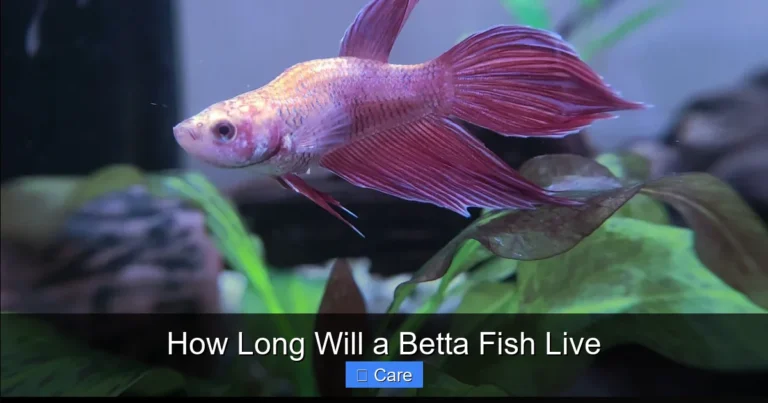
How Often Do Betta Fish Sleep Revealed For Happy Fish
Betta fish sleep differently than humans, but they do need regular rest to stay healthy and active. Most bettas sleep for several hours at night and take short naps during the day. Understanding how often do betta fish sleep helps you spot illness early and create a better tank environment. Keep reading to learn the signs, patterns, and simple care tips for happy fish.
If you own a betta, you have probably watched your fish drift into a quiet, still state and wondered if it was asleep. Many people ask how often do betta fish sleep because these colorful swimmers do not close their eyes like we do. The good news is that bettas do rest, and their rest patterns are easy to understand once you know what to look for.
Bettas are active little fish, but they also need downtime. They often settle down when the lights go out and may take short breaks during the day. Their sleep is lighter than human sleep, so they can still react to movement or food. That is why a betta may seem awake one moment and completely still the next.
Learning your betta sleep habits helps you care for them better. It also helps you notice when something is wrong. A sudden change in rest can point to poor water quality, stress, or illness. In this guide, we will cover betta sleep patterns, signs of rest, and simple ways to support healthy downtime.
Key Takeaways
- Bettas need rest: They sleep in short bursts, mostly at night, but also nap during the day.
- Look for stillness: A sleeping betta stays quiet, slows its breathing, and may rest on leaves or the tank floor.
- Light matters: A consistent day-night cycle helps your betta follow a natural sleep routine.
- Hiding is normal: Bettas often hide to rest, but constant hiding can signal stress or sickness.
- Clean water supports sleep: Good filtration, stable temperature, and regular water changes help bettas rest well.
- Track changes: If your betta sleeps too much or too little, check water quality, diet, and tank mates.
- Simple care works: Plants, gentle flow, and a calm tank make it easier for bettas to relax and recharge.
📑 Table of Contents
Understanding Betta Sleep Patterns
Bettas do not follow the same sleep schedule as people. They rest in cycles, and those cycles depend on light, temperature, and tank conditions. Most bettas become less active at night and spend more time resting when the tank is dark and calm. During the day, they may still take short pauses between swims.
If you are trying to understand betta fish sleep, think of it as a series of quiet periods rather than one long stretch. A betta may hover near a plant, settle on a leaf, or rest near the bottom for a while. Then it will wake up, explore, eat, or interact with you again. This pattern can repeat many times in a single day.
Several factors shape these patterns:
- Light cycles: A steady day-night routine helps your betta settle into a rhythm.
- Tank environment: Plants, caves, and soft decorations give your betta places to rest.
- Water temperature: Warm, stable water keeps your betta comfortable and active when it should be.
- Stress levels: Noisy environments, aggressive tank mates, or constant movement can disrupt rest.
When the environment is calm, bettas usually show a clear routine. They become more active in the morning, take breaks during the day, and rest more at night. If you notice your betta following a similar pattern, that is a good sign.
Daytime Naps Versus Nighttime Rest
Bettas often rest more at night, but daytime naps are normal too. You may see your fish pause near the surface, tuck behind a plant, or settle on a broad leaf. These short breaks help them save energy. A betta that naps now and then is usually just recharging.
Nighttime rest is usually longer and quieter. The fish may stay in one spot for a while and move less often. Breathing slows down a bit, and the fins may look relaxed instead of flared. This is a healthy part of fish sleep habits and should not worry you.
How Light and Routine Affect Sleep
Bettas respond strongly to light. If your tank light stays on all day and night, your betta may become confused and rest less. A simple routine works best. Turn the light on in the morning and off in the evening so your fish can settle into a steady cycle.
A predictable routine also helps you notice changes. If your betta usually rests after dinner but suddenly stays active all night, something may be off. Small changes in light, feeding, or noise can affect rest, so keep the tank environment as steady as possible.
Do Betta Fish Really Sleep and How to Tell
Yes, bettas do rest, even though they do not sleep in the same way mammals do. Their version of sleep is more like a quiet, low-energy state. During this time, they move less, breathe more slowly, and stay alert enough to respond if needed. This is why do betta fish sleep is such a common question among new owners.
You can usually tell your betta is resting by watching for a few simple signs. The fish may stay in one place for a while. It may stop chasing tank mates or exploring every corner. Its gill movement may look slower, and its body may appear relaxed. These are normal signs of downtime.
Common Signs Your Betta Is Resting
Here are some common clues that your betta is taking a break:
- It stays still in one spot for several minutes.
- It rests near a plant, decoration, or the tank floor.
- Its fins look relaxed instead of spread out.
- It reacts slowly to movement or food.
- It becomes more active again after a short pause.
These signs are usually harmless. A resting betta is not necessarily sick. In fact, regular rest is a healthy part of life for most fish. The key is to learn what is normal for your fish so you can spot real problems later.
When Stillness Looks Like Sleep but Is Not
Sometimes stillness can mean more than rest. If your betta stays motionless for a long time and also seems weak, floats oddly, or struggles to swim, you should pay closer attention. A fish that is sleeping should still look alert in a quiet way and should return to normal activity soon.
If you are unsure, compare the behavior to your fish normal routine. A betta that rests in the same spot at the same time each day is likely following a pattern. A betta that suddenly becomes very still, loses color, or stops eating may need help. When in doubt, check the water first.
How Often Do Betta Fish Sleep During the Day and Night
This is the big question: how often do betta fish sleep? The simple answer is that they rest multiple times a day and usually more at night. They do not need one long block of sleep. Instead, they take repeated breaks that fit their natural rhythm.
Most bettas will have a clearer rest period when the tank is dark. That nighttime rest may last for several hours, though the fish may still move a little now and then. During the day, bettas often rest in shorter stretches. These breaks can happen after eating, after exploring, or when the tank is quiet.
Typical Rest Frequency for Healthy Bettas
A healthy betta may rest in short bursts throughout the day and settle into a longer quiet period at night. You might see your fish pause several times between swims. That is normal. Bettas are not constantly moving creatures, even though they can be very active.
If you want a rough idea, think of betta rest like this:
- During the day: Short naps and quiet pauses between activity.
- At night: Longer periods of stillness and reduced movement.
- After feeding: A calm break while digesting.
- During stress: More hiding and less activity than usual.
There is no single perfect schedule, because every betta is a little different. What matters most is consistency. If your fish has a recognizable rhythm and still has energy when awake, it is probably resting well.
Factors That Change Sleep Frequency
Several things can change how often your betta rests:
- Tank size and setup: A cramped tank can make a betta feel unsafe, while a better layout can encourage calm rest.
- Water quality: Dirty water can make a betta tired or sluggish.
- Temperature: Water that is too cold or too warm can affect activity and rest.
- Tank mates: Aggressive companions can keep a betta on edge.
- Age and health: Older or unwell fish may rest more than usual.
If you notice your betta resting much more than usual, do not panic right away. Check the basics first. Water quality, temperature, and feeding are easy places to start. Often, small adjustments make a big difference.
Best Tank Conditions for Healthy Betta Rest
Good rest starts with a comfortable tank. Bettas rest better when they feel safe, warm, and undisturbed. A well-set-up tank gives your fish places to relax and helps keep stress low. If you want to support betta fish care, focus on the basics that make the tank calm and stable.
A cozy environment usually includes soft plants, a few hiding spots, and gentle water flow. Bettas do not like strong currents because they are not strong swimmers. A calm tank helps them conserve energy and settle down when they need to.
Temperature, Lighting, and Water Quality
Keep the water warm and stable. Bettas are tropical fish, so they do best in steady conditions. Sudden swings can make them uneasy and disrupt rest. A stable temperature helps your betta stay comfortable through both active periods and quiet ones.
Lighting should follow a regular cycle. A tank that is bright all the time can make it harder for your betta to settle. A simple on-off routine gives your fish a clear signal when it is time to slow down. Many owners find that a consistent schedule improves nighttime rest.
Water quality matters too. Clean water supports healthy breathing and reduces stress. If the tank is dirty, your betta may become tired or irritable. Regular maintenance helps keep the environment calm and makes rest easier.
Plants, Hiding Spots, and Gentle Flow
Live or artificial plants can give your betta a place to pause. Broad leaves are especially useful because they offer a flat resting spot. Caves, tunnels, and other decorations can also help your betta feel secure. The goal is to create a tank with options, not an empty space.
Flow should be gentle. If the filter creates a strong current, your betta may spend too much energy fighting the water. That can leave it tired and less able to rest properly. A calm setup supports better fish sleep habits and makes daily life easier for your pet.
When Sleep Changes Signal a Problem
Rest is healthy, but changes in rest can be a warning sign. If your betta suddenly sleeps all the time, stays at the bottom, or seems unable to swim normally, something may be wrong. On the other hand, if your betta is constantly active and never settles, that can also be a concern.
The key is to look at the whole picture. A betta that rests more but still eats, swims, and responds normally may just be having a quiet day. A betta that rests more and also loses appetite, color, or balance needs closer attention.
Over-Sleeping, Lethargy, and Stress Signs
Too much rest can point to stress, poor water conditions, or illness. Watch for these signs:
- Your betta stays still for long periods and rarely explores.
- It stops coming to the surface for food.
- Its fins look clamped or damaged.
- It hides constantly instead of taking short breaks.
- It seems weak, drifts oddly, or struggles to maintain balance.
Stress can come from many sources. Loud noise, constant movement near the tank, aggressive tank mates, or poor water can all make a betta feel unsafe. If your betta seems tense, it may hide more and rest differently. That is why it helps to watch both behavior and environment.
Quick Checks Before You Worry
Before assuming the worst, run through a simple checklist:
- Check the water temperature.
- Test the water quality if you can.
- Make sure the filter flow is not too strong.
- Look for signs of injury, spots, or clamped fins.
- Review feeding amounts and schedule.
- Think about recent changes in the tank or room.
Often, the issue is simple. A small adjustment to temperature, cleaning, or lighting can help your betta return to a healthier rhythm. If the problem continues, keep observing and consider getting advice from a fish-savvy veterinarian or experienced keeper.
Helping Your Betta Build a Healthy Sleep Routine
You can make rest easier for your betta with a few simple habits. A predictable routine helps your fish feel secure. Clean water and a calm tank reduce stress. Gentle handling and quiet surroundings also help. If you want to support how often do betta fish sleep in a healthy way, focus on consistency.
Start with the tank layout. Give your betta a few places to pause and make sure the current is not too strong. Then set a lighting routine that matches a natural day-night pattern. Finally, keep feeding and maintenance on a steady schedule so your fish knows what to expect.
Simple Daily Habits That Help
Here are easy habits that support better rest:
- Keep the tank light on a regular schedule.
- Feed at similar times each day.
- Avoid tapping the glass or making sudden movements near the tank.
- Maintain stable temperature and clean water.
- Use plants or decorations that create calm resting spots.
- Watch your betta behavior so you learn its normal rhythm.
These habits are small, but they add up. A betta that feels safe is more likely to rest properly and stay active when it should be. Over time, you will learn your fish personality and be better at spotting changes.
Expert Insight: What Healthy Rest Looks Like
A healthy betta usually has a balance of activity and quiet time. It explores, eats, and interacts, but it also pauses without trouble. It should not look exhausted, and it should not seem unable to move when it wants to. Healthy rest is calm, predictable, and reversible. In other words, your betta should wake up and return to normal behavior after a break.
If you want a quick rule of thumb, remember this: a resting betta is quiet, but not struggling. It is still, but not sick. It is calm, but still aware. That balance is what you want to see.
Conclusion
So, how often do betta fish sleep? They rest many times throughout the day and usually settle into longer quiet periods at night. Their sleep is lighter than human sleep, but it is still essential for their health and comfort. When you understand your betta normal rhythm, you can care for it with more confidence.
The best thing you can do is create a stable, calm environment. Keep the water clean, the temperature steady, and the lighting routine predictable. Give your betta places to rest and avoid unnecessary stress. If you notice big changes in sleep or activity, check the tank conditions first.
With a little observation and simple care, your betta can enjoy healthy rest and plenty of active time. A well-rested betta is usually a happier, brighter, and more lively companion.
Frequently Asked Questions
Do betta fish sleep with their eyes open?
Yes, bettas do not have eyelids, so they rest with their eyes open. You can usually tell they are sleeping by their stillness, slower breathing, and relaxed body position rather than by looking for closed eyes.
How often do betta fish sleep each day?
Bettas rest multiple times a day and usually sleep more at night. They take short naps between activities and often settle into a longer quiet period when the tank is dark and calm.
Is it normal for a betta fish to sleep a lot?
It can be normal if your betta still eats, swims, and responds when awake. But if it sleeps much more than usual and also seems weak, hides constantly, or loses appetite, you should check the water and overall health.
Do betta fish sleep at the bottom of the tank?
Sometimes they do, especially if they feel safe there or need a break. A betta may rest on a leaf, near a decoration, or on the substrate. If it stays at the bottom and also struggles to swim, that may be a sign of a problem.
What helps a betta fish sleep better?
A steady light schedule, clean water, stable temperature, and gentle tank flow all help. Plants, leaves, and hiding spots also give your betta comfortable places to rest without feeling exposed.
When should I worry about my betta fish sleeping too much?
You should worry if excessive sleep comes with other changes like loss of appetite, faded color, clamped fins, difficulty swimming, or constant hiding. Those signs can mean stress, poor water quality, or illness and should be checked soon.