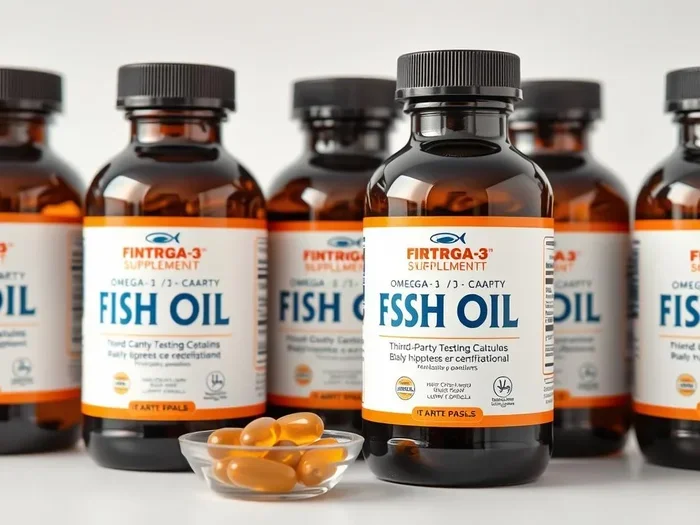
Which Fish Oil Is Better for You Expert Guide
Finding which fish oil is better for your body depends on purity, concentration, and your specific health goals. This guide breaks down the differences between natural and processed options so you can make a smart choice. You will learn how to read labels, spot hidden fillers, and pick a product that actually delivers results. We also share simple tips to avoid common buying mistakes and get the most out of your daily supplement.
Choosing a daily supplement can feel confusing when every bottle makes big promises. You want something safe, effective, and worth the money. That is exactly why people keep asking which fish oil is better for their routine. The answer is not about the flashiest label. It comes down to quality, concentration, freshness, and how well your body uses the nutrients.
Omega-3 fats play a big role in heart health, brain function, joint comfort, and healthy inflammation response. Many people do not get enough from food alone, especially if they do not eat fatty fish regularly. A well-chosen supplement can fill that gap without adding clutter to your day. The trick is knowing what to look for before you buy.
In this guide, we will walk through the main types of fish oil, what the numbers on the label really mean, and how to judge purity and freshness. You will also learn how to match a formula to your personal goals. By the end, you will feel confident picking a product that fits your needs and your budget.
Key Takeaways
- Purity matters most: Look for products tested for heavy metals, PCBs, and oxidation to protect your long-term health.
- Concentration beats volume: A smaller softgel with higher EPA and DHA levels often works better than a large pill with weak potency.
- Form affects absorption: Triglyceride and re-esterified forms typically absorb faster than standard ethyl ester versions.
- Freshness is non-negotiable: Rancid oil can cause stomach upset and reduce benefits, so check expiration dates and storage tips.
- Match the oil to your goal: High-EPA formulas support mood and heart health, while higher-DHA options aid brain and eye function.
- Third-party testing builds trust: Independent seals help you verify quality when you compare brands on the shelf.
- Consistency wins: Daily use at the right dose matters more than chasing the most expensive bottle.
📑 Table of Contents
- Understanding Which Fish Oil Is Better for Your Goals
- Natural Fish Oil Versus Processed Forms
- Reading the Label Like a Pro
- Purity, Freshness, and Safety Checks
- Matching the Formula to Your Health Priorities
- Common Mistakes People Make When Choosing Fish Oil
- Expert Insights on Choosing Well
- Conclusion
Understanding Which Fish Oil Is Better for Your Goals
The best choice starts with your reason for taking omega-3s. Different formulas support different needs, so the right answer to which fish oil is better depends on what you want to improve. Some people want heart support. Others want better focus, smoother skin, or easier joint movement. Knowing your goal helps you narrow the options fast.
EPA and DHA are the two main active fats in fish oil. EPA often gets linked with mood balance and healthy inflammation response. DHA often gets linked with brain development, memory, and eye health. A product can lean more toward one or the other, and that balance matters. A general wellness bottle may have a mixed ratio, while a targeted formula may highlight one nutrient more strongly.
If you eat fatty fish a few times a week, you may only need a maintenance dose. If your intake is low, you may benefit from a stronger daily supplement. People with specific wellness goals sometimes prefer higher potency options. The key is to match the concentration to your lifestyle instead of guessing.
How to Set Your Personal Target
Start by thinking about your weekly meals. If salmon, sardines, or mackerel show up often, your baseline may already be decent. If your plate is mostly lean protein and plant foods, a supplement may help more. You can also consider factors like age, activity level, and whether you want general support or a more focused approach.
Next, decide whether you want a broad-spectrum product or a specialized one. A balanced EPA and DHA blend works well for everyday wellness. A higher-EPA option may suit people seeking mood or comfort support. A higher-DHA option may suit people focused on cognitive and visual health. This simple choice makes shopping much easier.
Natural Fish Oil Versus Processed Forms
Not all oils are created the same way. Some products keep the fat in a natural triglyceride form. Others convert the oil into an ethyl ester form to concentrate the EPA and DHA. Some brands then convert it back into a triglyceride structure. These steps affect how your body handles the oil, so they matter when you compare options.
Natural triglyceride oil is the form found in whole fish. Many people find it easy to digest, and it often feels gentle on the stomach. The tradeoff is that it may contain lower concentrations of EPA and DHA per softgel. That means you may need more pills to reach a meaningful dose.
Ethyl ester oil can offer higher potency because the oil is concentrated and purified during processing. This can be helpful if you want stronger amounts in fewer softgels. Some people prefer this format for convenience. The downside is that absorption can vary, and some users notice a stronger fishy aftertaste.
Re-esterified triglyceride oil aims to combine the best of both worlds. It starts with concentrated oil and then returns it to a triglyceride structure. The goal is strong potency with better absorption. This type often appeals to people who want efficiency without sacrificing comfort.
Quick Comparison of Common Forms
Here is a simple way to compare the main formats side by side:
- Natural triglyceride: Gentle, food-like form, often lower concentration per pill.
- Ethyl ester: Concentrated and purified, may offer higher potency, absorption can vary.
- Re-esterified triglyceride: Concentrated then restructured, often aims for strong potency and better uptake.
None of these forms is automatically the winner. The best pick depends on your tolerance, your dose target, and how important convenience is to you. If you want a simple everyday option, a natural form may feel easy. If you want a stronger dose in fewer pills, a concentrated form may suit you better.
Reading the Label Like a Pro
Labels can look impressive, but the real story is in the numbers. When you wonder which fish oil is better, the first thing to check is the combined EPA and DHA amount, not just the total fish oil amount. A bottle may say one gram of fish oil per softgel, but only a fraction of that may be the active omega-3s you actually want.
Look for a clear breakdown. A strong label usually lists EPA and DHA separately. That transparency makes it easier to compare products. If the numbers are vague or hidden behind a proprietary blend, it becomes harder to know what you are getting. Clear labeling is a good sign of a thoughtful product.
You should also check how many softgels make up a serving. Some brands list a serving as two or three pills. That can make the numbers look higher than they really are. If you want a simple routine, a product designed as one softgel per serving may feel easier to stick with.
What the Numbers Should Mean to You
Think in terms of your daily target rather than the size of the softgel. A small pill can still be potent if the EPA and DHA levels are strong. A large pill can be weak if most of the content is filler fat. The active omega-3 content is what matters most.
It helps to compare products using the same serving size. If one bottle gives you 600 mg of combined EPA and DHA per softgel and another gives you 1,000 mg, the difference is meaningful. You do not need to overcomplicate this. Just focus on the active fats and how many pills you will actually take each day.
Purity, Freshness, and Safety Checks
Quality is more than a marketing word. When people ask which fish oil is better, they usually mean which product is cleaner, fresher, and safer to take every day. Fish can contain environmental contaminants, so purification matters. A good product should be processed to reduce heavy metals, PCBs, and other unwanted compounds.
Oxidation is another big concern. Omega-3 fats are delicate and can go rancid if they are poorly handled or stored too long. Rancid oil may taste off and can be less pleasant to take. It may also be less helpful than fresh oil. That is why freshness matters just as much as potency.
Independent testing can add confidence. Third-party verification helps show that a product meets quality expectations. Look for seals, testing statements, or transparency about where the oil comes from and how it is checked. A brand that explains its process is often easier to trust than one that stays vague.
Simple Freshness Habits at Home
Once you bring a bottle home, a few small habits can help protect quality:
- Check the date: Use the product before it expires for the best experience.
- Store it cool: A cool, dry place helps preserve freshness. Some people prefer refrigeration after opening.
- Keep the lid tight: Limit exposure to air and moisture.
- Watch for changes: A strong foul smell or an unpleasant aftertaste can signal that the oil is no longer fresh.
These steps are simple, but they make a real difference. A high-quality bottle can still disappoint if it sits in a hot cabinet for months. Treating the oil carefully helps you get the experience you paid for.
Matching the Formula to Your Health Priorities
The right formula depends on what you want to support. If your main interest is general wellness, a balanced EPA and DHA blend may be enough. If you want to focus on mood balance or physical comfort, some people lean toward a higher-EPA option. If you want to support memory, focus, or eye health, a DHA-leaning product may feel more relevant.
Your routine also matters. Some people prefer a once-daily softgel because it is easy to remember. Others want a smaller softgel because large pills are hard to swallow. Some want a lemon or vanilla flavor to reduce fishy aftertaste. These practical details can affect how consistently you use the product, and consistency is what brings results.
Dietary needs matter too. If you avoid certain allergens or follow a specific eating style, check the ingredient list carefully. Some products include added vitamin E or other antioxidants to help protect the oil. Some are made without common additives. Reading the full label helps you avoid surprises.
Practical Ways to Compare Brands
When you compare bottles in the same category, use this quick checklist:
- Active omega-3 amount per softgel
- EPA and DHA ratio
- Form of the oil
- Third-party testing or quality claims
- Number of softgels per serving
- Flavor, size, and ease of swallowing
- Price relative to the real dose you will take
This approach keeps you focused on what actually matters. It also helps you avoid paying extra for packaging or marketing that does not improve the supplement itself. A smart comparison saves money and reduces guesswork.
Common Mistakes People Make When Choosing Fish Oil
A lot of buyers focus on the front of the bottle and skip the details. That can lead to picking a product that looks strong but delivers less than expected. One common mistake is assuming the total fish oil amount equals the omega-3 amount. Another is buying a huge bottle just because it seems like a bargain, even if the potency is low.
Another mistake is ignoring freshness. A cheap product that has sat on a shelf too long may not feel as good to take. Price alone is not a reliable quality signal either. A higher price does not automatically mean a better product. The best choice usually combines clear labeling, solid potency, and trustworthy quality checks.
People also sometimes forget that supplements work best as part of a bigger routine. Omega-3s are helpful, but they are not a magic fix. Sleep, movement, whole foods, and stress care all matter too. When you treat fish oil as one useful tool instead of the whole solution, you set yourself up for better results.
Quick Tips to Avoid Buyer Regret
Use these simple habits before you buy:
- Read the supplement facts panel first, not the front label.
- Compare EPA and DHA amounts across products.
- Check whether the serving size is one softgel or more.
- Look for freshness cues, including date and storage guidance.
- Choose a product you will actually take every day.
Small habits like these can save you from buying the wrong bottle. They also make your next shopping trip faster because you know what to check first.
Expert Insights on Choosing Well
Experts often say the best supplement is the one you can take consistently, safely, and comfortably. That means the ideal product is not always the fanciest one. It is the one that fits your dose needs, your stomach tolerance, and your daily routine. If a softgel is easy to swallow and the label is clear, you are more likely to keep using it.
Another common insight is that more is not always better. Taking huge amounts without a clear reason may not be necessary for everyone. A moderate, well-matched dose often makes more sense than chasing extreme numbers. It is also wise to think about the whole diet. If you already eat omega-3-rich foods, your supplement needs may be smaller.
Transparency matters too. Brands that explain their sourcing, testing, and formulation usually make it easier to decide. When you can see what is in the bottle and how it was handled, you can make a more informed choice. That kind of clarity is valuable when you are trying to decide which fish oil is better for your situation.
Key Takeaways for Smart Buying
Before you finalize your choice, remember these points:
- Focus on EPA and DHA, not just total fish oil.
- Pick a form you can tolerate and use consistently.
- Prioritize purity, freshness, and transparent testing.
- Match the ratio to your goal, whether that is general wellness or a more targeted need.
- Choose a price that makes sense for the real dose you will take.
These reminders keep the decision simple. They also help you avoid getting distracted by shiny packaging or exaggerated claims.
Conclusion
Deciding which fish oil is better does not have to be overwhelming. The best choice usually comes from looking at the active omega-3 content, the oil form, the freshness, and the quality checks behind the product. When you match those details to your personal goals, the right bottle becomes much easier to spot.
Remember that consistency matters more than perfection. A product you will take daily, store properly, and tolerate well is often more useful than a flashy option you forget on the shelf. Read the label, compare the numbers, and choose a formula that fits your routine. With a little attention, you can find a fish oil that supports your health without adding confusion to your day.
Frequently Asked Questions
What makes one fish oil better than another?
A better fish oil usually has higher EPA and DHA levels, good purity, and fresh handling. The form of the oil and clear labeling also matter because they affect how useful the product really is.
How do I know if a fish oil is high quality?
Look for a clear EPA and DHA breakdown, third-party testing or quality transparency, and a fresh expiration date. A clean smell and a reasonable serving size are also helpful signs.
Is a more expensive fish oil always better?
Not always. Price can reflect branding, flavoring, or packaging more than actual quality. It is smarter to compare active omega-3 amounts and freshness than to judge by price alone.
Should I choose a product with more EPA or more DHA?
It depends on your goal. Many people choose more EPA for mood and comfort support, while others choose more DHA for brain and eye support. A balanced blend works well for general wellness.
Does the form of fish oil really matter?
Yes, because different forms can affect potency and absorption. Natural triglyceride, ethyl ester, and re-esterified triglyceride forms each have different strengths, so the best one depends on your preferences and dose needs.
How should I store fish oil to keep it fresh?
Keep it in a cool, dry place with the lid tightly closed. Some people refrigerate it after opening to help protect freshness, especially if they use it slowly over time.