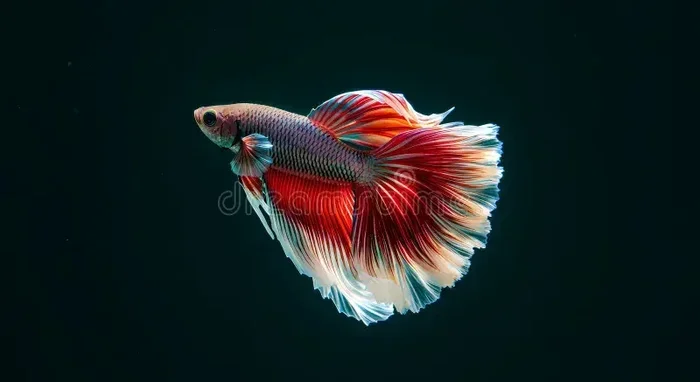
Do Betta Fish Mind the Dark The Truth About Night Lights
Do betta fish mind the dark? The answer might surprise you. These colorful pets need a clear day-night cycle to stay healthy and active. Constant darkness can confuse their natural rhythms, while too much light causes stress. We will explore how darkness impacts their sleep, feeding, and overall mood. You will learn the best lighting setup for a happy aquarium.
Keeping a betta fish is a rewarding hobby. Their vibrant colors and flowing fins bring life to any room. But many owners worry about the lighting setup. You might wonder if your pet feels afraid when the lights go out. It is a common question for new fish keepers.
Understanding their needs helps you create a better home. Fish are sensitive to their environment. Light plays a huge role in their daily life. We will break down everything you need to know. This guide covers sleep, stress, and the best lighting practices.
Key Takeaways
- Natural Cycle: Betta fish need a consistent day and night routine to thrive.
- Sleep Habits: They do not have eyelids, so they rest with their eyes open in the dark.
- Stress Factors: Constant darkness or bright light can both cause unnecessary stress.
- Night Lights: A dim night light is optional but can help you observe them without disturbance.
- Feeding: They rely on sight to find food, so total darkness makes eating hard.
- Tank Mates: Light levels affect how they interact with other fish like tetras or shrimp.
- Health Signs: Lethargy or hiding often signals lighting issues or water problems.
📑 Table of Contents
Do Betta Fish Mind the Dark at Night?
The short answer is no, they do not mind the dark. In fact, they need it. Betta fish come from shallow waters in Southeast Asia. Their natural habitat has distinct day and night periods. Replicating this cycle is crucial for their health.
When the tank is dark, your fish knows it is time to rest. This mimics the sunset in the wild. Without this period of darkness, they can become exhausted. Think of it like sleeping in a room with bright lights on. It prevents deep, restful sleep.
Why Darkness Matters for Sleep
Fish do not sleep like humans. They enter a state of rest where their activity slows down. Their metabolism drops, and they become less responsive. This process requires a quiet, dark environment. If you leave the tank light on all night, they stay alert.
Over time, this leads to fatigue. A tired fish is more prone to illness. They might lose their vibrant color. Their immune system weakens without proper rest. Giving them twelve hours of darkness is a simple way to protect their health.
Signs Your Fish Is Resting
You might worry because you see them moving at night. Sometimes they hover quietly near the bottom. Other times they find a cozy spot among the plants. They do not close their eyes because they lack eyelids. This often makes owners think they are awake.
Look for slower gill movement. They will likely stay in one spot. This is normal behavior. If you check the tank with a bright flashlight, they might startle. It is best to observe them with dim light if needed.
Do Betta Fish Get Scared of the Dark?
Fear is a strong word. Fish do not feel fear exactly like humans do. However, they do feel stress. Sudden changes in light can be startling. Turning a bright room light on instantly might scare them.
Total darkness itself is not scary. It is the sudden shift that causes issues. In the wild, light fades gradually. Your tank light should follow a similar pattern. Using a timer helps create a smooth transition.
Some owners ask if betta fish get scared of the dark. The consensus is that they adapt well. They rely on other senses when vision is limited. Their lateral line detects vibrations in the water. This helps them navigate safely.
Sudden Light Changes vs. Gradual Darkness
Consistency is key. A sudden blackout can confuse them. Imagine walking into a pitch-black room instantly. You might bump into things. Your fish feels similar disorientation. A gradual dimming is much better.
Many modern aquarium lights have a dawn and dusk setting. This mimics the natural sun. It turns on slowly in the morning. It fades out slowly in the evening. This reduces stress significantly.
Can Betta Fish See in the Dark?
Their vision is good in low light, but not in total darkness. They have specialized cells in their eyes. These cells help them detect movement and shapes. However, they cannot see details in the pitch black.
This limitation affects how they find food. If the tank is too dark, they might miss their pellets. This leads to the question: can betta fish see their food in the dark? Usually, they need some ambient light to eat properly.
Lighting Needs for Feeding
Feeding time is usually during the day. This aligns with their active period. If you feed them at night, ensure there is some light. A small room light is often enough. You do not need the main tank light blazing.
If you keep the tank in a dark room, consider a timer. This ensures light is available when you feed them. It also helps them establish a routine. They will learn when to expect food.
Do Betta Fish Need a Night Light?
A night light is not strictly necessary. Many successful tanks have zero light at night. The goal is darkness for sleep. However, some owners want to watch their fish after hours.
If you want to observe them, use a very dim light. Red or blue LEDs are popular choices. These colors are less intrusive. They do not disturb the fish as much as white light. You might wonder if you can leave betta fish in the dark completely. Yes, you can, and they often prefer it.
Types of Night Lights
There are a few options for low-level lighting. Each has pros and cons for your setup.
- LED Strips: These are flexible and low heat. You can set them to dim modes.
- Moonlight Bulbs: These emit a blueish glow. They mimic moonlight in the wild.
- Room Ambient Light: Sometimes leaving a hallway light on is enough.
Avoid bright white lights at night. These signal daytime to your fish. It will disrupt their sleep cycle. Keep the intensity very low if you use any light at all.
Do Betta Fish Like Air Pump Circulation in the Dark?
Water movement matters more than light sometimes. Bettas prefer calm water. Strong currents tire them out. This is true day and night. You might ask if betta fish like air pump circulation during their rest period.
Gentle circulation is fine. It keeps the water oxygenated. However, strong bubbles can wake them up. If your air pump is loud or creates big waves, adjust it. A quiet sponge filter is often a better choice.
Noise and Vibration Concerns
Fish are sensitive to vibrations. A loud pump can stress them even in the dark. Ensure your equipment is stable. Vibrations traveling through the stand can be disturbing. Check your setup regularly for loose parts.
Good water quality is essential for rest. Dirty water causes stress regardless of lighting. Maintain proper temperature and pH levels. This supports their overall well-being during the night.
Common Mistakes With Betta Tank Lighting
New owners often make simple errors. These mistakes can harm your fish over time. Avoiding them ensures a longer life for your pet.
- Leaving Lights On 24/7: This causes chronic stress and algae blooms.
- Using Bright Room Lights: Direct overhead light can heat the water too much.
- Inconsistent Schedules: Turning lights on at random times confuses the fish.
- Ignoring Shadows: Fish need hiding spots to feel secure during rest.
Expert Insight on Light Cycles
Experts recommend a consistent schedule. Twelve hours of light and twelve hours of darkness is standard. Use an automatic timer for reliability. This removes human error from the equation.
Consistency builds trust. Your fish will know when to be active. They will also know when to hide and rest. This routine supports their natural instincts.
Key Takeaways for Healthy Lighting
Creating the right environment is simple. Follow these guidelines for the best results.
- Use a Timer: Automate your light cycle for consistency.
- Provide Hiding Spots: Plants and caves offer security in the dark.
- Monitor Behavior: Watch for signs of stress or lethargy.
- Avoid Sudden Changes: Dim lights gradually before turning them off.
- Keep It Dark at Night: Prioritize darkness for proper sleep.
Conclusion
So, do betta fish mind the dark? They actually need it to thrive. Darkness signals their body to rest and recover. Constant light is harmful, while total darkness is natural. The key is consistency and gradual changes.
By setting up a proper light cycle, you ensure a happy fish. Use timers and dim lights to mimic nature. Avoid bright lights during their sleep hours. Your betta will show its thanks with vibrant colors and active behavior. A well-lit day and a dark night make the perfect home.
Frequently Asked Questions
Do betta fish sleep with their eyes open?
Yes, betta fish do not have eyelids. They rest with their eyes open, which often confuses owners. You can tell they are sleeping by their stillness and slow gill movement.
Can I leave my betta fish in the dark all night?
Yes, you should leave them in the dark at night. They need a period of darkness to sleep properly. Leaving the tank light on can cause stress and health issues.
Do betta fish need light to find food?
They rely on their vision to locate food pellets. In total darkness, they might struggle to eat. Ensure there is some ambient light during feeding times.
Is a blue night light bad for betta fish?
A dim blue light is generally acceptable for short periods. It mimics moonlight and is less disruptive than white light. However, total darkness is still preferred for sleep.
How many hours of darkness do betta fish need?
They typically need about 12 hours of darkness each night. This matches their natural circadian rhythm. Consistency is more important than the exact number of hours.
Do betta fish get stressed in complete darkness?
No, complete darkness does not stress them if it is part of a cycle. Stress comes from sudden changes or lack of hiding spots. Provide plants so they feel secure while resting.