How to Care for a Veiltail Betta Fish
Caring for a veiltail betta fish requires attention to tank setup, diet, water quality, and overall environment. This guide covers everything you need to know about veiltail betta care, from choosing the right aquarium size to preventing common diseases and ensuring a long, happy life for your beautiful fish.
Key Takeaways
- Tank Size Matters: A minimum of 5 gallons is recommended for veiltail bettas to ensure comfortable swimming and stable water conditions.
- Water Quality Is Critical: Maintain temperatures between 76-82°F and keep pH levels between 6.5 and 7.5 for optimal health.
- Diet Drives Longevity: Feed a varied diet of high-quality pellets, frozen, and live foods to meet all nutritional needs.
- Regular Maintenance Prevents Disease: Weekly water changes of 25-30% and proper filtration help avoid common health problems.
- Veiltail Bettas Need Gentle Tank Mates: Avoid aggressive species and choose peaceful companions carefully.
- Live Plants Enhance Well-Being: Adding plants provides hiding spots, reduces stress, and improves water quality naturally.
📑 Table of Contents
- Why Veiltail Bettas Are a Favorite Among Fish Keepers
- Setting Up the Perfect Tank for Your Veiltail Betta
- Feeding Your Veiltail Betta the Right Diet
- Maintaining Ideal Water Conditions
- Common Health Issues and How to Handle Them
- Breeding and Choosing Tank Mates
- Seasonal Care and Winter Preparations
- How to Tell if Your Veiltail Betta Is Happy and Healthy
- Conclusion
Why Veiltail Bettas Are a Favorite Among Fish Keepers
The veiltail betta fish is one of the most stunning freshwater fish you can keep at home. With long, flowing fins that trail behind them like silk in the water, these fish are truly a sight to behold. Their vibrant colors and graceful movements make them a top choice for both beginners and experienced hobbyists.
But here is the truth many new owners learn the hard way: how to care for a veiltail betta fish is not as simple as just tossing them in a bowl and forgetting about them. These fish have specific needs. Meeting those needs is what separates a betta that lives a few months from one that thrives for five years or more.
In this guide, we will walk you through every aspect of veiltail betta care. You will learn about tank setup, feeding, water conditions, health concerns, and much more. Let us dive in.
What Makes Veiltail Bettas Special
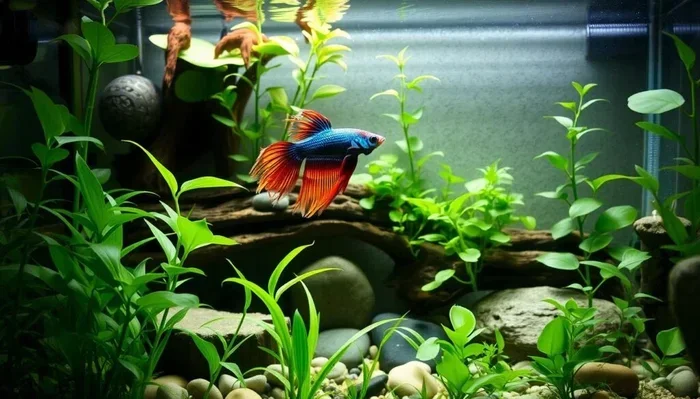
Veiltail bettas (also called “veil tails”) are a specific strain of Betta splendens. They are bred for their extra-long, flowing tail fins that often double or even triple the length of their body. Unlike some other betta varieties, veiltails tend to be hardy and adaptable, which is part of why they are so popular.
Here are a few things that set them apart:
- Flowing fins: Their tails can reach lengths of up to 3 inches or more.
- Bright coloration: Common colors include royal blue, deep red, purple, and multicolor patterns.
- Active personalities: Veiltail bettas are curious and will often follow their owners along the tank.
- Moderate hardiness: They handle minor water fluctuations better than some more delicate betta types.
Expert Insight: According to experienced betta breeders, veiltail bettas are often recommended for first-time betta owners because of their forgiving nature. However, proper betta fish care is still essential to prevent premature death and keep them looking their best.
Setting Up the Perfect Tank for Your Veiltail Betta
One of the biggest mistakes people make is keeping a veiltail betta in a tiny bowl or container. While bettas can survive in small spaces, they do not thrive. A properly sized and decorated tank makes a world of difference in your fish’s health and happiness.
Choosing the Right Tank Size
The minimum tank size for a veiltail betta is 5 gallons. If you can go larger, such as 10 gallons, that is even better. Here is why tank size matters so much:
- Larger tanks have more stable water parameters. Small tanks can swing in pH and ammonia levels quickly.
- Your betta needs room to swim. Veiltail bettas are active swimmers despite their long fins.
- A bigger tank allows for proper filtration and heating without stressing the fish.
Quick Tip: Avoid tanks under 3 gallons. While a betta can physically survive in these, the constant water changes and unstable conditions will shorten their lifespan significantly.
Filtration and Heating
Bettas are tropical fish. They need warm water to stay healthy. A betta fish heater set to maintain a temperature between 76°F and 82°F is essential. Without proper heat, your betta becomes sluggish, stops eating, and becomes vulnerable to disease.
For filtration, choose a gentle filter. Veiltail bettas are not strong swimmers. A filter that creates a strong current will exhaust them. Sponge filters or hang-on-back filters with adjustable flow work perfectly.
Tank Décor and Live Plants
Your veiltail betta will appreciate a well-decorated tank. However, avoid sharp decorations that can tear their delicate fins. Smooth rocks, driftwood, and aquarium plants for betta are excellent choices.
Live plants offer several benefits:
- They provide hiding spots, which reduces stress.
- Plants absorb harmful nitrates and improve water quality.
- They create a natural environment that encourages natural behaviors.
Some great plant choices include java fern, anubias, and Amazon sword. These are all low-light plants that are easy to maintain.
Common Mistakes: Many people add gravel with sharp edges or use plastic plants with rough spots. Both can damage the veiltail’s fins. Always choose smooth substrates and soft-leaved plants.
Feeding Your Veiltail Betta the Right Diet
Feeding your veiltail betta properly is one of the most important parts of how to care for a betta fish. A poor diet leads to health problems, dull coloration, and a shortened lifespan. A proper diet keeps colors vivid and energy levels high.
Best Foods for Veiltail Bettas
Veiltail bettas are carnivores. They need protein-rich foods. Here is a breakdown of the best food options:
- High-quality pellets: Look for betta-specific pellets with high protein content (35% or more). Brands like Hikari and Fluker are reliable choices.
- Frozen foods: Bloodworms, brine shrimp, and daphnia are excellent. Feed thawed frozen food 2-3 times per week.
- Freeze-dried foods: These are convenient but should be soaked in water before feeding to prevent bloating.
- Live foods: Live brine shrimp and microworms are the best option when available, but ensure they are from a clean source.
Feeding Schedule and Portions
Overfeeding is one of the most common problems in betta keeping. Bettas have small stomachs, roughly the size of their eye. Follow this simple feeding schedule:
- Feed 2-3 pellets twice a day as a baseline.
- Add a frozen or live food treat 2-3 times per week.
- Skip feeding once a week to allow digestion to reset. This is called a “fast day.”
Quick Tip: If your betta spits out its food, do not panic. This is normal. They are simply shaping the food or checking it. Try crushing the pellet slightly or offering a different food type.
Food Comparison Chart
| Food Type | Protein Content | Feeding Frequency | Best For |
|---|---|---|---|
| High-quality pellets | 35-50% | Daily (2x per day) | Staple diet |
| Frozen bloodworms | 60-70% | 2-3x per week | Color enhancement |
| Brine shrimp (live/frozen) | 55-65% | 2-3x per week | Protein boost |
| Freeze-dried daphnia | 40-50% | 1-2x per week | Digestive health |
Maintaining Ideal Water Conditions
Water quality can make or break your veiltail betta’s health. Even the most beautiful and expensive tank will fail if the water conditions are wrong. Understanding and controlling your water parameters is a core part of how to properly care for betta fish.
Temperature and pH
As mentioned earlier, veiltail bettas need warm water. The ideal temperature range is 76°F to 82°F. Use a reliable aquarium thermometer to monitor this daily, especially when first setting up your tank.
For pH, aim for a range between 6.5 and 7.5. Veiltail bettas are adaptable but prefer slightly acidic to neutral water. Avoid sudden pH changes, as these can shock and kill your fish.
Water Changes and Maintenance
Regular water changes are non-negotiable. Here is a simple maintenance schedule:
- Weekly: Change 25-30% of the tank water. Use a gravel vacuum to remove debris from the substrate.
- Bi-weekly: Check and clean the filter media. Do not replace all filter media at once, as this removes beneficial bacteria.
- Monthly: Test water parameters using a liquid test kit. Check ammonia, nitrite, nitrate, and pH levels.
Expert Insight: Always use a water conditioner when adding fresh water to your tank. Tap water contains chlorine and chloramine, which are harmful to bettas. A product like Seachem Prime neutralizes these toxins instantly and also helps detoxify ammonia temporarily.
Using Tap Water Safely
Many betta owners wonder about using tap water directly. The short answer is: yes, you can, but only after treating it. How to prepare water for a betta fish involves using a quality water conditioner, matching the temperature, and testing the parameters before adding it to the tank.
If you are unsure about your tap water quality, consider using a what water to use for a betta fish guide to explore alternatives like RO (reverse osmosis) water or bottled spring water. Always research before adding untested water to your aquarium.
Common Mistake: Skipping water conditioner is dangerous. Even small amounts of chlorine can burn a betta’s fins and damage their slime coat. Always treat every new batch of water, no matter how small the water change.
Common Health Issues and How to Handle Them
Even with the best care, veiltail bettas can encounter health problems. The key is catching these issues early and acting quickly. Knowing the signs of common diseases saves lives.
Recognizing a Stressed Betta
Stress is often the first sign that something is wrong. Watch for these indicators:
- Clamped fins (fins held close to the body)
- Loss of color or fading
- Hiding more than usual
- Refusing to eat
- Rapid breathing at the water surface
If you notice any of these signs, check your water parameters immediately. Most stress cases are linked to poor water quality or incorrect temperature.
Common Diseases in Veiltail Bettas
Here are some of the most frequently seen health issues:
- Fin rot: Caused by poor water conditions. Fins appear ragged or discolored. Treat with improved water quality and antibacterial medication.
- Ich (white spot disease): Small white spots appear on the body and fins. Raise the temperature gradually to 82°F and treat with appropriate medication.
- Bloat: Often caused by overfeeding or poor food quality. Fasting for a day and offering peas (deshelled) can help.
- Fungal infections: Cotton-like growths on the body. These require antifungal treatment and improved water conditions.
Quick Tip: Keep a quarantine tank ready. If you need to treat a sick fish, move them to a separate hospital tank. This prevents medication from harming beneficial bacteria in your main tank and stops disease from spreading to other fish.
If you are ever unsure about treating your betta, resources like how to care for sick betta fish provide detailed treatment protocols for specific conditions. Early intervention is always better than waiting.
Breeding and Choosing Tank Mates
Veiltail bettas are one of the more commonly bred betta varieties. If you are interested in breeding, understanding their behavior and setup needs is critical. However, breeding is an advanced topic and should only be attempted after you have mastered basic betta fish care.
Breeding Basics
Male veiltail bettas build bubble nests at the water surface. A healthy male will create a nest when he is ready to mate. The process involves the male displaying his fins to a female, wrapping around her to release eggs, and then collecting the eggs in his mouth to place them in the bubble nest. After hatching, the male guards the fry until they become free-swimming.
Important note: Never keep a breeding pair together long-term. Male bettas are aggressive after spawning. Remove the female once eggs are laid.
Tank Mates for Veiltail Bettas
Choosing tank mates for bettas is tricky. Veiltail bettas, with their long flowing fins, are particularly vulnerable to fin-nipping. Here are some safe options:
- Ghost shrimp: Peaceful and helpful at cleaning algae.
- Snails (nerite or mystery): Good algae eaters and non-threatening.
- Harlequin rasboras: Small, peaceful fish that stay in the upper water column.
- Corydoras catfish: Bottom-dwellers that stay out of the betta’s territory.
Avoid these tank mates:
- Fin-nipping species like tiger barbs or serpae tetras.
- Other bettas (males will fight to the death).
- Aggressive or overly active fish that stress your betta.
Tank Mate Suitability Chart
| Species | Compatibility | Risk Level | Notes |
|---|---|---|---|
| Ghost Shrimp | High | Low | Peaceful cleaners |
| Nerite Snails | High | Low | Algae eaters, safe |
| Harlequin Rasbora | Medium-High | Medium | Keep in groups of 6+ |
| Tiger Barb | Low | High | Fin nippers, avoid |
| Other Male Betta | None | Critical | Territorial, will fight |
Quick Tip: Always introduce tank mates slowly. Watch your betta’s behavior closely during the first few days. If your betta shows signs of stress or aggression, separate the tank mate immediately.
Seasonal Care and Winter Preparations
One factor that many betta owners overlook is seasonal change. As the temperature drops in winter, your room and tank water can cool down fast. How to take care of betta fish in winter requires extra attention to heating.
Here are a few winter care tips:
- Check your heater daily. Ensure it maintains the correct temperature.
- Use a tank cover or lid to reduce evaporation and heat loss.
- Avoid placing your tank near drafty windows or doors.
- Consider a timer for your heater to keep the temperature consistent, even when you are not home.
In summer, the risk shifts to overheating. If your room temperature exceeds 85°F, consider a small aquarium chiller or move your tank to a cooler area. Avoid direct sunlight on the tank, as this also promotes excess algae growth.
How to Tell if Your Veiltail Betta Is Happy and Healthy
A healthy veiltail betta is a joy to watch. Here are the signs that your fish is thriving:
- Active swimming: Your betta explores the tank and moves around freely.
- Bright colors: Strong, vivid coloration indicates good health and proper nutrition.
- Appetite: A healthy betta eats eagerly at feeding time.
- Flowing fins: Fins should be fully extended and flowing, not clamped.
- Clean scales: Scales should lie flat and smooth with no signs of discoloration or raised patches.
If your betta displays these behaviors consistently, you are doing a great job. Keep up the good work and continue monitoring water quality and diet.
Expert Insight: Many experienced betta keepers recommend spending time simply watching your fish each day. This helps you notice subtle behavior changes early, which can be the difference between catching a problem in its first stage and missing it entirely.
Conclusion
Caring for a veiltail betta fish is a rewarding experience when done right. By providing a properly sized and decorated tank, maintaining excellent water quality, feeding a balanced diet, and watching for signs of illness, you give your betta the best chance at a long and healthy life. How to care for a veiltail betta fish comes down to consistency, attention to detail, and genuine love for these remarkable creatures.
Remember, every betta is an individual. Some may have slightly different preferences when it comes to food or tank mates. Pay attention to your specific fish, adjust as needed, and never hesitate to learn more. The more you know, the better your veiltail betta will thrive. Start applying these tips today and enjoy the beauty of a healthy, happy veiltail betta in your home.
Frequently Asked Questions
How long do veiltail betta fish live?
With proper care, veiltail bettas typically live 3 to 5 years. Some well-maintained specimens have been known to live longer. Water quality, diet, and tank conditions are the biggest factors that influence their lifespan.
Can veiltail bettas live in a bowl?
While some people keep bettas in bowls, it is not recommended. Bowls do not provide stable water conditions, adequate space, or room for proper heating and filtration. A 5-gallon tank or larger is far better for your betta’s health and longevity.
What temperature do veiltail bettas need?
Veiltail bettas thrive in water temperatures between 76°F and 82°F. A reliable aquarium heater is essential to maintain this range consistently. Temperatures below 74°F can weaken their immune system and lead to illness.
Are veiltail bettas aggressive?
Male veiltail bettas are naturally territorial and should never be housed with other male bettas. However, they can coexist peacefully with certain tank mates like ghost shrimp, snails, and small peaceful fish. Always introduce new companions carefully and monitor behavior.
How often should I change the water in my veiltail betta tank?
Perform a 25-30% water change weekly. This removes accumulated toxins like ammonia and nitrates while keeping beneficial bacteria intact. Always use a water conditioner to treat fresh tap water before adding it to the tank.
Why is my veiltail betta losing color?
Color loss in veiltail bettas can be caused by stress, poor water conditions, inadequate diet, or disease. Check your water parameters first, then evaluate your feeding routine. Adding high-quality foods like frozen bloodworms can help restore vibrant coloration over time.