How Often Do You Feed One Betta Fish
Knowing how often do you feed one betta fish is the single most important part of keeping your betta healthy and happy. A proper feeding routine prevents overfeeding, supports vibrant color, and extends your fish’s lifespan. Most experts recommend feeding one betta fish two small meals per day, but the exact schedule depends on age, food type, and tank conditions.
Keeping a betta fish is one of the most rewarding hobbies you can have. These colorful little fish bring life to any room. But one of the biggest questions new betta owners ask is, how often do you feed one betta fish. The answer might surprise you. It is not as simple as dumping food in the tank every morning.
A good feeding routine is the foundation of betta fish care. Feed too much and you risk serious health problems. Feed too little and your fish becomes weak and dull. Getting the balance right takes a bit of knowledge, but it is easier than most people think. This guide covers everything you need to know about feeding your betta fish the right way.
Key Takeaways
- Feed twice daily: Give your betta two small meals each day, about 2-3 minutes of eating per meal.
- Watch for overfeeding signs: Bloating, constipation, and cloudy water are red flags that you’re feeding too much.
- Variety matters: Rotate between pellets, flakes, and frozen foods for balanced nutrition.
- Fast your betta weekly: Skipping one meal per week helps prevent digestive issues.
- Adjust for age: Baby bettas need more frequent small feedings, while adults do best on a consistent twice-daily schedule.
- Pair feeding with water changes: Clean water makes feeding more effective and keeps your betta thriving.
📑 Table of Contents
- Why Feeding Frequency Matters for Your Betta
- How Often Should You Feed a Betta Fish Each Day
- How Much Food Should One Betta Fish Get Per Meal
- Best Foods for Your Betta Fish
- Common Feeding Mistakes That Harm Betta Fish
- Special Feeding Considerations for Different Betta Life Stages
- How to Build the Perfect Betta Feeding Routine
- Final Thoughts on Feeding Your Betta Fish
Why Feeding Frequency Matters for Your Betta
Betta fish have small stomachs. In fact, their stomach is about the size of their eye. This means they cannot handle large meals. When you overfeed a betta fish, the extra food rots in the tank. This spikes ammonia levels and makes your fish sick. On the flip side, underfeeding leads to malnutrition and a weakened immune system.
The right feeding frequency keeps your betta energized and colorful. It also keeps your tank water clean. A consistent betta fish feeding schedule helps you spot problems early. You will notice changes in appetite, behavior, and appearance faster when you feed on a routine.
The Science Behind Betta Digestion
Betta fish are carnivores by nature. They eat insects and larvae in the wild. Their digestive systems are built for small, protein-rich meals throughout the day. Unlike some fish that graze all day, bettas do best with structured meal times. This mimics their natural eating pattern and keeps their gut healthy.
When food sits in the tank uneaten, it breaks down quickly. This releases harmful toxins into the water. Water quality drops fast, which stresses your betta. Stress leads to disease, faded colors, and a shorter lifespan. So how often do you feed one betta fish without causing these problems? Let us break it down.
How Often Should You Feed a Betta Fish Each Day
The gold standard for feeding a betta fish is two small meals per day. Most experienced fish keepers agree on this schedule. You feed once in the morning and once in the evening. Each meal should take about 2 to 3 minutes for your betta to finish.
This twice-daily routine works well for adult bettas. It gives their stomach time to digest between meals. It also leaves enough food to keep them interested at each feeding. If you are wondering, how often do you feed one betta fish compared to other fish, bettas need far less food than most tropical species.
Best Times of Day to Feed Your Betta
Timing matters more than people think. Try to feed your betta at the same times every day. Morning feeding works well around 8 or 9 AM. Evening feeding is best between 6 and 7 PM. This consistency helps regulate your betta’s metabolism and hunger cues.
Some owners prefer a morning and late afternoon schedule. Others go with morning and right before bed. Pick what works for your routine and stick with it. Your betta will learn the schedule and get excited at feeding time. This is a great sign that your fish is healthy and comfortable.
How Much Food Should One Betta Fish Get Per Meal
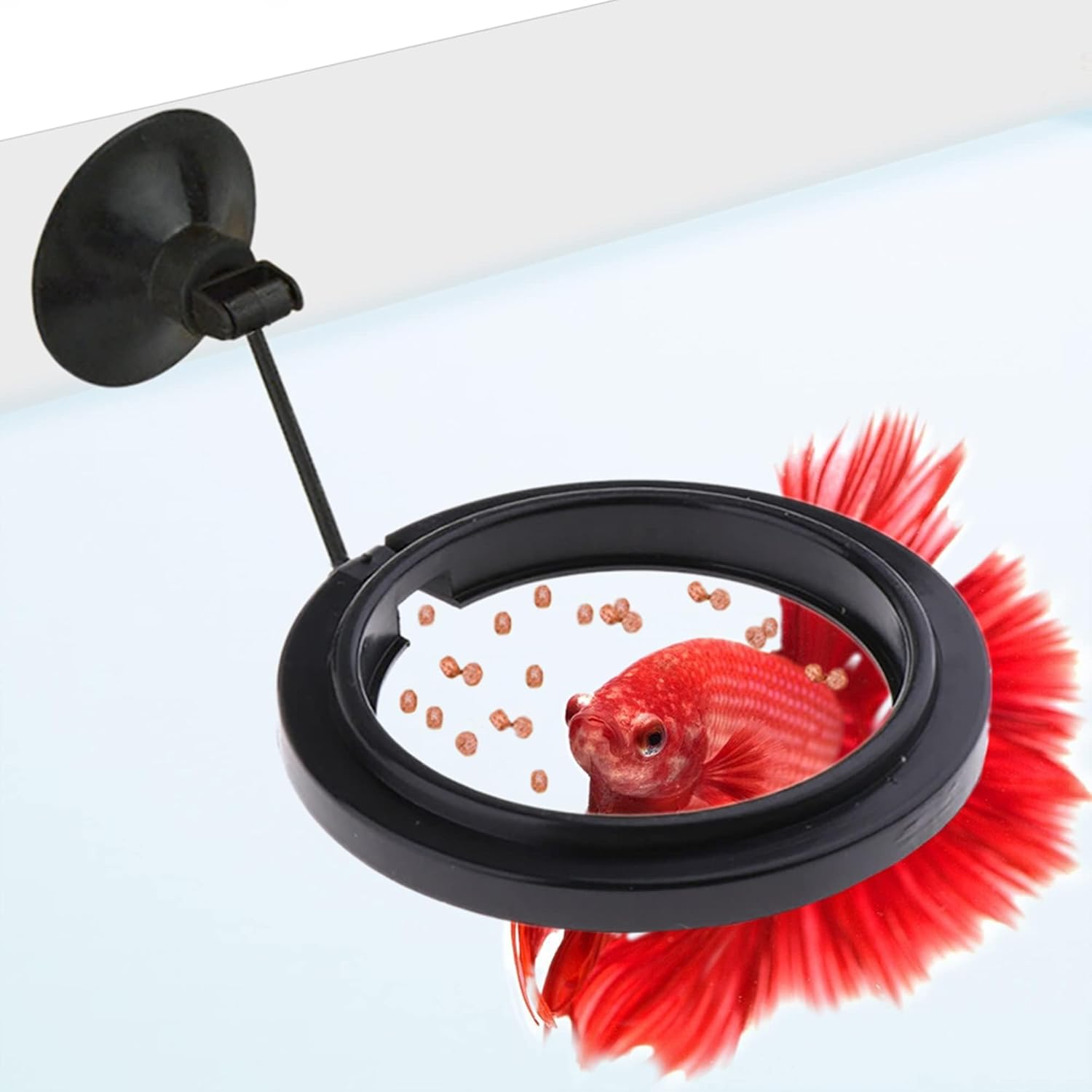
Portion size is just as important as frequency. A common mistake is giving too much food at once. The rule of thumb is simple. Give your betta only what it can eat in 2 to 3 minutes. For most bettas, this is about two to three pellets per meal.
If you use flakes, a small pinch is enough. Flakes expand in water, so they fill the stomach faster than pellets. Many owners prefer betta pellets because they sink slowly and hold their shape longer. This gives your betta time to eat without the food dissolving into the water.
A Simple Portion Guide
- Pellets: 2 to 3 small pellets per meal
- Flakes: A pinch no bigger than your betta’s eye
- Frozen bloodworms: 2 to 3 small cubes, thawed first
- Live food (brine shrimp): 3 to 5 small pieces per meal
If you ever notice leftover food after feeding, you gave too much. Remove uneaten food with a turkey baster or small net. This keeps the tank clean and prevents water quality issues. Proper portion control is one of the easiest ways to boost your betta’s health and lifespan.
Best Foods for Your Betta Fish
Not all fish food is created equal. Bettas need a high-protein diet to thrive. In the wild, they eat mosquito larvae, daphnia, and small insects. Replicating this diet in captivity is key to keeping your betta vibrant and active.
Top Food Options for Bettas
Betta pellets are the most popular choice. They are specially formulated for bettas and contain the right protein levels. Look for pellets with at least 30 to 40 percent protein. Betta flakes work too, but they tend to be less nutrient-dense. Many experts recommend pellets as the staple diet.
Frozen and freeze-dried foods make excellent treats. Bloodworms, brine shrimp, and daphnia are all great options. These foods add variety and mimic what bettas eat in nature. Just remember to soak freeze-dried food before feeding. It can expand in your betta’s stomach and cause bloating if you skip this step.
You can also offer live foods like live brine shrimp or mosquito larvae. These are the closest thing to a wild betta diet. Many bettas go crazy for live food. It encourages natural hunting behavior and provides excellent nutrition. Use live food as a supplement, not a replacement for your main diet.
Common Feeding Mistakes That Harm Betta Fish
Even well-meaning owners make feeding mistakes. Some of these errors can seriously harm your betta. Knowing what to avoid is just as important as knowing what to do.
Overfeeding Your Betta
The number one mistake is overfeeding. Bettas will eat almost anything you give them. They do not know when to stop. This leads to bloating, constipation, and obesity. Over time, uneaten food fouls the water and raises ammonia levels. Overfeeding is the leading cause of betta fish death in home aquariums.
Signs of overfeeding include a swollen belly, lethargy, and food sitting at the bottom of the tank. If you see these signs, skip a meal or two and check your water parameters. A fasting betta fish for one day can help reset the digestive system.
Feeding Too Much Variety at Once
Some owners want to give their betta a little bit of everything. They offer pellets, flakes, and frozen food all at once. This overwhelms the fish and can cause digestive upset. Stick to one food type per meal. Rotate between different foods on different days for variety.
Ignoring the Fasting Day
Many people do not realize that bettas need a weekly fasting day. Skipping one meal per week gives the digestive system a break. It helps prevent constipation and bloating. On your fasting day, simply do not feed your betta. The fish will be perfectly fine and may even benefit from the break.
Special Feeding Considerations for Different Betta Life Stages
Not all bettas have the same feeding needs. Age, health, and environment all play a role in how you should feed your fish. Adjusting your routine based on these factors makes a big difference.
Feeding Baby Betta Fish
Young bettas, or fry, need more frequent feedings than adults. Feed baby bettas three to four times a day with very small portions. Use finely crushed pellets or baby brine shrimp. Their stomachs are tiny, so they need constant small meals to grow properly.
Feeding Senior Betta Fish
Older bettas may become less active and eat less. You might need to reduce portion sizes slightly. Watch for signs of appetite loss and adjust accordingly. If your senior betta refuses food for more than a day, check the water temperature and quality. Sometimes a simple water change reignites their appetite.
Feeding a Sick Betta Fish
If your betta is recovering from illness, appetite may drop. Offer smaller portions of easily digestible food. Frozen bloodworms or soaked pellets work well in these cases. If your fish stops eating entirely for more than two days, consult a vet or experienced fish keeper. You can also learn more about caring for a sick betta fish in our dedicated care guide.
How to Build the Perfect Betta Feeding Routine
Now that you know the basics, let us put it all together. A perfect betta feeding routine is simple, consistent, and flexible. Here is a step-by-step guide to get you started.
- Morning feeding (8-9 AM): Give 2-3 pellets or a small pinch of flakes. Watch your betta eat for 2-3 minutes.
- Evening feeding (6-7 PM): Offer the same portion size as the morning meal. Remove any uneaten food after 3 minutes.
- One fasting day per week: Choose a day to skip feeding entirely. Sunday works well for many owners.
- Rotate food types: Alternate between pellets, flakes, and frozen treats throughout the week.
- Monitor your betta: Watch for changes in appetite, behavior, and appearance. Adjust portions as needed.
If you ever go on vacation, you might worry about your betta going without food. Bettas can safely skip one or two days of food. For longer trips, consider an automatic feeder or ask a friend to feed your fish. Learn more about how to feed your betta fish on vacation in our helpful guide. Also, remember that proper feeding goes hand in hand with clean water. Regular water changes support a healthy feeding routine.
Following this routine consistently will keep your betta fish healthy, colorful, and active. Most bettas live 3 to 5 years with proper care, and a solid feeding schedule is a huge part of that. If you want to dive deeper into general care, check out our guide on how do you care for a betta fish for more tips and insights.
Final Thoughts on Feeding Your Betta Fish
The answer to how often do you feed one betta fish comes down to consistency and portion control. Two small meals per day, a weekly fasting day, and the right food choices are all you need. Avoid the common traps of overfeeding and poor food quality. Your betta will reward you with vibrant colors, active swimming, and a long healthy life.
Remember that every betta is a little different. Some eat faster, some are pickier. Pay attention to your individual fish and adjust as needed. The effort you put into feeding your betta properly pays off in spades. A well-fed betta is a happy betta, and a happy betta makes for a wonderful pet.
Frequently Asked Questions
Can I feed my betta fish once a day instead of twice?
Yes, you can feed a betta once a day, but the portion should be slightly larger. Many owners prefer twice daily because it mimics natural eating patterns better. If you choose once a day, make sure the single meal is enough to satisfy your betta for 24 hours.
What happens if I overfeed my betta fish?
Overfeeding causes bloating, constipation, and poor water quality. Uneaten food decays quickly and raises ammonia levels in the tank. This can lead to serious health problems or even death. Always feed only what your betta can eat in 2 to 3 minutes.
Can I feed my betta fish human food?
Some human foods are safe in tiny amounts, like boiled peas or cucumber. However, bettas need protein-rich diets. Human food should never replace proper betta pellets or flakes. Stick to foods specifically designed for bettas whenever possible.
How long can a betta fish go without eating?
A healthy adult betta can go 3 to 5 days without food without any issues. This is why a weekly fasting day is beneficial. However, do not skip feeding for more than a few days unless advised by a vet.
Should I feed my betta fish right after a water change?
It is best to wait a few hours after a water change before feeding. Water changes can shift water parameters slightly, which may stress your betta. Let your fish settle in first, then offer a small meal. This helps prevent digestive issues.
Do betta fish stop eating when they are full?
No, bettas do not have a natural stop-eating reflex. They will continue to eat even when full, which is why portion control is so important. Always measure out the correct amount before dropping food into the tank.