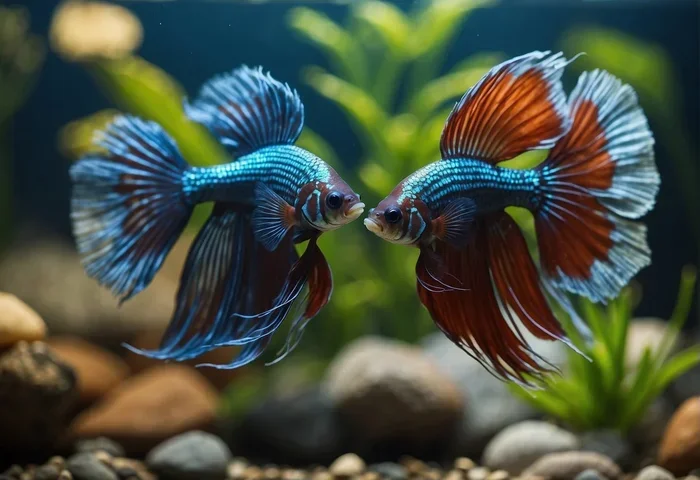
How Often Do You Change the Water for Betta Fish

How often do you change the water for betta fish? The general rule is a 25-50% partial water change every 1-2 weeks for a properly filtered tank. The exact frequency depends on tank size, filtration, feeding habits, and whether your betta lives in a bowl or a larger aquarium. This guide covers everything you need to keep your betta’s water clean and healthy.
Key Takeaways
- Partial water changes are key: Replace 25-50% of tank water every 1-2 weeks for optimal betta health.
- Tank size matters: Smaller bowls need more frequent changes, while larger filtered tanks need less.
- Always use treated water: Remove chlorine and chloramine from tap water before adding it to your betta tank.
- Watch for warning signs: Cloudy water, strong odors, and elevated ammonia levels mean it is time for a water change.
- Avoid full water changes: Replacing all the water at once strips beneficial bacteria and shocks your betta.
- Match temperature and parameters: New water should closely match the existing tank water temperature and pH.
📑 Table of Contents
- How Often Do You Change the Water for Betta Fish?
- Why Water Changes Matter for Betta Fish
- How Often Should You Change Betta Fish Water?
- How to Do a Water Change for Betta Fish
- Common Mistakes People Make with Betta Water Changes
- Signs Your Betta Needs a Water Change Sooner
- How Water Changes Connect to Feeding Habits
- Best Water Sources for Betta Fish Tanks
- Conclusion
How Often Do You Change the Water for Betta Fish?
If you own a betta fish, you have probably wondered about the water change schedule. Keeping the water clean is one of the most important parts of betta fish care. Dirty water leads to stress, disease, and a shorter lifespan for your fish.
The answer to how often do you change the water for betta fish depends on a few factors. These include tank size, filtration, feeding amount, and whether you use a bowl or a full aquarium. Let us break it all down so you can keep your betta happy and healthy.
Most experts agree that a partial water change every one to two weeks works well for most betta setups. However, this is not a one-size-fits-all answer. A small bowl with no filter needs more attention than a 10-gallon tank with a gentle filter. We will cover each scenario in detail below.
Water changes remove harmful waste buildup, excess food, and chemicals that build up over time. They also help maintain stable water parameters like ammonia, nitrite, and nitrate levels. Regular maintenance is the easiest way to prevent common health problems in betta fish.
Why Water Changes Matter for Betta Fish
Betta fish may seem low-maintenance, but they still need clean water to thrive. In the wild, bettas live in slow-moving rice paddies and streams. These natural environments constantly refresh with new water. Your tank does not have that luxury, so you need to step in.
What Happens When You Skip Water Changes
When you do not change the water regularly, waste builds up fast. Fish produce ammonia through their gills and waste. Uneaten food also breaks down and releases harmful compounds. Over time, ammonia and nitrite levels rise to dangerous levels.
High ammonia causes burns on the fins and gills. It makes bettas breathe heavily and act lethargic. In severe cases, it can be fatal. Even low-level exposure weakens the immune system over time.
Nitrate is less toxic but still harmful at high levels. It stresses fish and makes them more prone to illness. Regular water changes are the only reliable way to keep nitrate in check.
The Nitrogen Cycle and Your Betta
Every aquarium has a nitrogen cycle. Beneficial bacteria convert ammonia into nitrite and then into nitrate. This cycle keeps the water safer for your fish. But the cycle cannot remove nitrate completely. That is where water changes come in.
Replacing a portion of the water dilutes the nitrate. It also replenishes essential minerals that your betta needs. Think of it as giving the tank a fresh start without starting over entirely.
How Often Should You Change Betta Fish Water?
The frequency of water changes depends on your specific setup. Below are the most common scenarios and recommended schedules.
Betta Fish in a Bowl (No Filter)
Bettas kept in small bowls without a filter need the most frequent changes. A typical rule is to change 50% of the water every 3-5 days. Since there is no filter to help process waste, the water gets dirty fast.
If your bowl is under 2 gallons, consider changing the water even more often. Some owners do a 30-40% change every 2-3 days. This keeps conditions stable for the fish.
Betta Fish in a Small Tank (1-5 Gallons) with a Filter
A filtered tank makes things easier. You can do a 25-30% water change every 7-10 days. The filter handles some of the biological waste processing. But it does not replace the need for regular changes.
Keep an eye on your water test results. If ammonia or nitrite shows up, you may need to change the water more often. Overfeeding is a common cause of spikes in small tanks.
Betta Fish in a Larger Tank (10+ Gallons) with a Filter
Larger tanks are more stable because the water volume dilutes waste. For a 10-gallon or larger tank, a 20-25% water change every 1-2 weeks is usually sufficient.
The filter does most of the heavy lifting in a bigger setup. Just make sure the filter media is cleaned regularly. A clogged filter reduces its effectiveness and can lead to dirty water faster.
How to Do a Water Change for Betta Fish
Now that you know how often, let us talk about how to actually do it. The process is simple once you get the hang of it. If you want a step-by-step walkthrough, check out our guide on how to do a water change for betta fish for more detailed instructions.
What You Will Need
- A siphon or aquarium gravel vacuum
- A clean bucket dedicated to fish use only
- Water conditioner or dechlorinator
- A thermometer to check water temperature
- A cup or small container for removing fish if needed
Step-by-Step Water Change Process
- Turn off all equipment. This includes heaters, filters, and air pumps. It makes the process easier and safer.
- Siphon out 25-50% of the water. Use a gravel vacuum to remove debris from the substrate at the same time. Focus on areas where waste collects.
- Collect the old water. Dispose of it properly. This water contains dissolved waste and should not be reused.
- Prepare fresh water. Fill your bucket with clean water. Add water conditioner according to the product instructions. This removes chlorine and chloramine.
- Match the temperature. Use a thermometer to make sure the new water matches the tank temperature within 1-2 degrees Fahrenheit. Temperature shock is a common cause of betta stress.
- Slowly add the new water. Pour it gently over a plate or bowl to avoid disturbing the substrate and decorations.
- Turn equipment back on. Restart your filter and heater. Give the tank 15-20 minutes to stabilize before checking on your betta.
Quick Tips for Stress-Free Water Changes
- Always use a bucket that has never had soap or chemicals in it.
- Do not remove your betta from the tank unless absolutely necessary.
- Clean the tank glass while you are at it to remove algae buildup.
- Keep a consistent schedule. Bettas thrive on routine and stable conditions.
- If you are unsure about what type of water to use for betta fish, visit our detailed guide on the best water options.
Common Mistakes People Make with Betta Water Changes
Even experienced fish keepers make mistakes. Here are the most common errors and how to avoid them.
Changing All the Water at Once
This is probably the biggest mistake new betta owners make. A full water change wipes out all the beneficial bacteria in the tank. These bacteria are essential for breaking down waste. Without them, ammonia can spike dangerously fast.
Always stick to partial changes. Replacing 25-50% keeps the bacterial colony intact while still removing harmful waste.
Using Untreated Tap Water
Tap water contains chlorine and chloramine. These chemicals are safe for humans but deadly for fish. Always use a water conditioner before adding tap water to your tank.
If you are concerned about tap water quality, you can also use spring water or purified water. Just make sure it does not contain any additives or minerals that could harm your betta.
Changing Water Too Frequently
It might seem like more changes mean cleaner water, but that is not always true. Too-frequent changes can destabilize the tank. They remove beneficial bacteria and trace minerals that your betta needs.
Stick to a consistent schedule. Your betta will adjust better to a predictable routine.
Not Matching Water Temperature
Betta fish are tropical and need warm water. Sudden temperature drops cause stress and can lead to betta fish diseases like ich and fin rot. Always check the temperature before adding new water.
A simple aquarium thermometer makes a big difference. Aim for a stable temperature between 76 and 82 degrees Fahrenheit.
Signs Your Betta Needs a Water Change Sooner
Sometimes the scheduled change is not enough. You may need to do an extra water change if you notice these warning signs.
- Cloudy or murky water: This often indicates a bacterial bloom or excess waste buildup.
- Strong or foul odor: A healthy tank should have little to no smell. A rotten smell means ammonia is high.
- Betta acting lethargic: If your fish is staying at the bottom or not eating, poor water quality could be the cause.
- Red or inflamed gills: This is a classic sign of ammonia exposure.
- Excess algae growth: Algae blooms often happen when nitrate and phosphate levels are too high.
- Elevated readings on water test kits: If your test kit shows ammonia or nitrite above zero, change the water immediately.
For more tips on keeping your betta healthy, check out our guide on how do you care for a betta fish for a complete overview of daily and weekly care routines.
How Water Changes Connect to Feeding Habits
Feeding habits directly impact how dirty your betta’s water gets. Overfeeding is one of the leading causes of poor water quality. Uneaten food sinks to the bottom and decomposes, releasing ammonia.
Most experts recommend feeding bettas once or twice a day with small portions. A good rule is to feed only what your betta can eat in 2 minutes. If there is leftover food, remove it with a net.
If you feed your betta more than usual one day, consider doing a small water change the next day. This extra step helps compensate for the extra waste. For more on feeding schedules, read our guide on how often do you feed a betta fish.
Best Water Sources for Betta Fish Tanks
The water you add back into the tank matters just as much as removing the old water. Not all water sources are created equal.
Tap Water
Tap water is the most common and convenient option. It works well as long as you use a quality water conditioner. Can you use tap water for your betta fish? Yes, but always treat it first.
Spring Water
Bottled spring water can be a good choice. It is naturally mineral-rich and free of chlorine. Just check the label to make sure it does not contain added sodium or other additives.
Distilled or Reverse Osmosis Water
These options are very pure but lack beneficial minerals. If you use them, you will need to remineralize the water before adding it to the tank.
Well Water
Well water can work but should be tested first. It may contain high levels of iron, sulfur, or other minerals that are not ideal for bettas.
Conclusion
So, how often do you change the water for betta fish? The answer is every 1-2 weeks with a 25-50% partial water change for most setups. Smaller bowls need more frequent attention, while larger filtered tanks can go a bit longer between changes.
The key is consistency. Stick to a regular schedule, watch your water parameters, and adjust as needed. Clean water is the foundation of a healthy, happy betta fish. Your fish will reward you with vibrant colors, active behavior, and a long, joyful life.
Start building your water change routine today. Your betta will thank you for it. And if you ever feel unsure, remember that small, frequent changes are always better than big, infrequent ones. Happy fish keeping!