Can You Put Female Bettas with Other Fish Together
Female bettas can be kept with other fish when properly planned. The key is choosing peaceful, non-aggressive tank mates that won’t trigger territorial behavior. With the right species selection and adequate tank size, you can create a thriving community that benefits both your female betta and companion fish.
Key Takeaways
- Community keeping is possible: Female bettas can coexist with peaceful fish species in well-planned tanks.
- Tank size matters: Larger tanks (20+ gallons) provide better swimming space and dilute territorial aggression.
- Species selection is crucial: Choose peaceful, slow-moving fish that won’t stress your female betta.
- Plants and hiding spots essential: Dense vegetation helps reduce stress and provides escape routes for all fish.
- Monitor compatibility closely: Watch for signs of stress or aggression during the first few weeks.
- Avoid betta fish with other bettas: Even female bettas may fight over territory in small spaces.
- Proper cycling is non-negotiable: A mature, stable aquarium ecosystem prevents disease and stress.
📑 Table of Contents
Understanding Female Betta Behavior and Social Needs
Before we dive into tank mate options, it’s important to understand what makes female bettas different from their male counterparts. While male bettas are famously territorial and aggressive toward other bettas, female bettas are generally more social and community-oriented. However, this doesn’t mean they’ll get along with absolutely anything in the tank.
Female bettas, often called “female betta splendens,” naturally form groups in the wild. In their natural habitat, you’ll find them swimming in schools with other fish species. This social nature is why many aquarists wonder if they can house female bettas with other fish. The short answer is yes, but with important caveats.
In captivity, female bettas still retain some of their wild instincts. They’re more likely to establish a pecking order than engage in constant warfare. However, they can become stressed by aggressive tank mates or cramped conditions. Understanding this balance is crucial for successful community keeping.
What Makes Female Bettas Different?
Female bettas are typically more peaceful than males, but they’re not pushovers. They’ll establish dominance hierarchies when kept in groups, which is actually natural behavior. In a proper community tank, this hierarchy often works itself out without serious conflict.
The key difference is that female bettas are less likely to see other peaceful fish as threats. They’re more curious than territorial, often approaching new tank mates with cautious interest rather than immediate aggression.
The Importance of Proper Tank Setup
Regardless of whether you’re keeping single female bettas or groups, the tank setup plays a crucial role in determining success. A well-planted tank with plenty of hiding spots and swimming spaces allows all fish to feel secure.
For female bettas specifically, you want to provide vertical space as well as horizontal swimming areas. These fish are strong swimmers and appreciate the ability to explore different zones within the tank.
Choosing the Right Tank Mates for Female Bettas
This is where many aquarists make their biggest mistakes. Not all fish are compatible with female bettas, and choosing the wrong species can lead to stress, injury, or even death for all involved. Here are some proven combinations that work well in community tanks.
Top Compatible Fish Species
Ember Tetras
These tiny, colorful fish are perfect companions for female bettas. Their small size means they won’t be seen as prey or threats, and their active schooling behavior keeps them out of the betta’s typical territory zones.
Ember tetras prefer soft, slightly acidic water conditions, which aligns well with betta preferences. They’re also peaceful community fish that won’t pick at fins or harass other tank mates.
Corydoras Catfish
Bottom-dwelling corydoras are excellent additions to betta tanks. They help keep the substrate clean by eating leftover food and debris, which reduces water quality issues that can stress bettas.
These catfish are naturally peaceful and spend most of their time near the bottom of the tank, avoiding the upper water zones where bettas establish their territory. Their nocturnal nature means they’re most active when the betta is settling down for the evening.
Cherry Barbs
Cherry barbs offer beautiful color and social behavior that complements female bettas well. Like ember tetras, they’re small enough not to pose a threat but colorful enough to create visual interest in the tank.
These fish form loose schools and are active swimmers, helping to create a natural, balanced ecosystem in your aquarium.
Rosy Barbs
While slightly larger than cherry barbs, rosy barbs remain peaceful when kept with female bettas. Their robust nature makes them hardy additions to community tanks, and their social behavior helps reduce stress in all fish present.
Fish to Avoid with Female Bettas
It’s just as important to know which fish won’t work. Some common mistakes include:
- Other betta fish: Even peaceful female bettas may fight when kept in small groups or cramped conditions.
- Large, aggressive fish: Species like cichlids or large barbs can see bettas as prey or competitors.
- Fin-nippers: Fish like tiger barbs or certain gouramis may harass betta fins.
- Fast, erratic swimmers: These can stress out the more deliberate female betta.
Setting Up the Perfect Community Tank
Creating a successful environment for female bettas and their fish friends requires attention to several key factors. Let’s break down what you need to consider for optimal results.
Tank Size Requirements
While a single female betta can technically live in a 5-gallon tank, this is far from ideal, especially when considering community keeping. For housing female bettas with other fish, you want a minimum of 20 gallons.
Here’s why larger tanks work better:
- Reduced territorial stress: More space means less competition for territory.
- Better water stability: Larger volumes are easier to maintain in terms of water chemistry.
- More flexibility: You can accommodate a wider variety of fish species.
- Better biofilter capacity: Supports beneficial bacteria colonies more effectively.
Importance of Plants and Hiding Spots
Plants aren’t just for decoration in betta tanks. They serve several crucial functions:
- Stress reduction: Dense vegetation provides hiding places and breaks up open spaces.
- Ambient cover: Helps fish feel secure from potential threats.
- Aquascaping benefits: Creates natural-looking environments that reduce stress.
- Oxygen production: Helps maintain healthy oxygen levels.
Live plants like java fern, anubias, and hornwort work well with female bettas. These species are hardy and don’t require special lighting conditions that might stress other community fish.
Artificial plants can work in a pinch, but live plants generally provide better benefits. Silk plants are safer than plastic ones, which can damage delicate betta fins.
Water Quality Considerations
Female bettas and most community fish prefer similar water conditions, typically:
- Temperature: 76-82°F
- pH: 6.5-7.5
- Soft to moderately hard water
- Moderate lighting
Maintaining these parameters requires regular testing and water changes. A good quality test kit will help you monitor conditions and make adjustments as needed.
Feeding Your Female Betta Community
Feeding schedule and food types significantly impact the success of your community tank. Female bettas have specific dietary needs that must be considered alongside their tank mates’ requirements.
Balanced Diet for Female Bettas
Female bettas are omnivores and benefit from varied nutrition:
- High-quality pellets: Form the bulk of their diet
- Fresh food: Bloodworms, daphnia, and brine shrimp
- Occasional treats: Flakes, frozen foods, and small insects
Feeding frequency should be 2-3 times per day, but avoid overfeeding. Uneaten food pollutes the water and causes health issues.
Community Feeding Strategies
Different fish have different feeding habits. Some graze continuously, while others need frequent meals. Here are strategies that work:
- Multiple feeding times: Feed different types at different times
- Large surface area: Allows surface feeders and mid-water feeders to coexist
- Targeted feeding: Hand-feed bettas while other fish graze
Consider using a combination of pellets, flakes, and frozen foods to ensure all fish get adequate nutrition.
Monitoring Health and Behavior
Even with perfect planning, you need to watch your tank closely. Early detection of problems can prevent serious issues that might affect all fish in the community.
Signs of Stress in Female Bettas
Female bettas show stress differently than males. Look for:
- Pale or faded coloration: Stress often causes color loss
- Ragged fins: May indicate fin rot or nipping
- Lethargy: Spending too much time at the bottom
- Loss of appetite: Not eating normally
- Rough surfaces: Skin appearing damaged or rough
Regular observation helps you catch these signs early when they’re easier to address.
Behavioral Indicators to Watch
Pay attention to interactions between your female betta and tank mates:
- Persistent chasing: One fish always pursuing another
- Constant hiding: Fish spending excessive time out of sight
- Fin damage: Visible nips or tears in fins
- Submissive behavior: Smaller fish always fleeing or cowering
If you notice persistent aggression or stress behaviors, consider rehoming one of the species or adjusting the tank setup.
Regular Maintenance Routine
Consistent maintenance prevents most health issues:
- Weekly water testing: Check ammonia, nitrite, nitrate, and pH
- Partial water changes: 25-50% weekly depending on bioload
- Equipment checks: Filter, heater, and lighting function
- Visual inspections: Look for dead fish, algae blooms, or equipment problems
Good maintenance habits are the foundation of a healthy community tank.
Common Challenges and Solutions
Even experienced aquarists encounter problems. Understanding common issues helps you prepare solutions before problems arise.
Territorial Behavior Issues
Sometimes female bettas establish territories that exclude other fish. Solutions include:
- Increase tank size: More space reduces territorial conflicts
- Add more hiding spots: Gives all fish places to feel secure
- Break up open spaces: Use decorations to create visual barriers
- Consider rehoming: If problems persist, separate incompatible fish
Water Quality Problems
High bioload from multiple fish types can strain filtration systems. Combat this by:
- Upgrading filtration: Choose filters rated for larger tanks
- Increasing water change frequency: More frequent changes help maintain quality
- Reducing feeding: Overfeeding is a common cause of water issues
- Adding live plants: They help consume excess nutrients
Dietary Conflicts
Different species may compete for food. Manage this by:
- Feeding multiple times daily: Ensures all fish get adequate nutrition
- Using different feeding methods: Some food sinks, some floats
- Selective feeding: Target specific areas for different species
Success Stories and Case Studies
Real-world examples help illustrate what works in practice. Here are some successful community tank setups featuring female bettas.
Small Community Tank Success
Sarah from Colorado maintains a 29-gallon tank with one female betta, six ember tetras, and a small group of corydoras. Her key success factors:
- Dense live plant coverage throughout the tank
- Regular 30% water changes every week
- Varied diet with both pellets and frozen foods
- Observation of fish behavior during feeding times
Since setting up this tank eight months ago, she’s had no health issues and beautiful coloration in all her fish.
Multi-Betta Community Experiment
Experienced breeder Mike experimented with keeping three female bettas in a 40-gallon breeder tank with various peaceful species. His approach:
- Extensive cycling period before adding fish
- Gradual introduction of different species
- Multiple feeding stations to reduce competition
- Weekly observation notes on fish behavior
While the bettas established a clear hierarchy, all fish remained healthy and showed good coloration.
Conclusion
The question of can you put female bettas with other fish has a resounding yes answer when approached thoughtfully. Female bettas are naturally more social than males and can thrive in community environments when provided with proper conditions.
Success depends on several factors working together: appropriate tank size, compatible species selection, adequate hiding places, and consistent maintenance. The investment in setting up a proper community tank pays dividends in reduced stress and improved fish health.
Remember that every fish is an individual, so monitor your specific setup closely. What works for one group of fish may need adjustment for another. Be prepared to make changes based on observations of your own fish’s behavior and health.
With patience and proper planning, you can create a beautiful, diverse community that highlights the best qualities of your female bettas while providing enrichment for all your aquatic pets. The key is starting with good information and remaining attentive to the needs of every fish in your care.
Frequently Asked Questions
Can female bettas live with guppies?
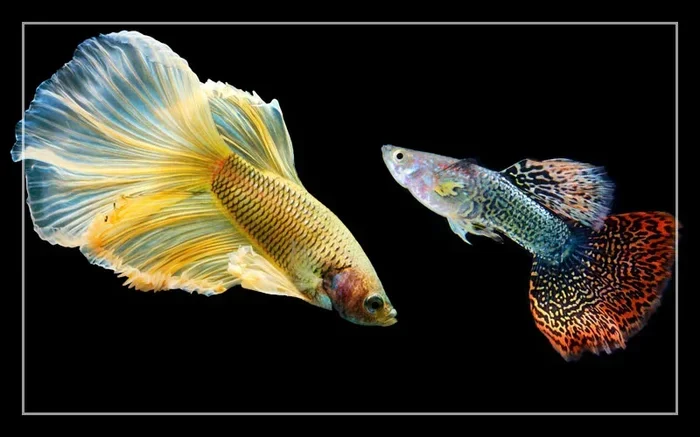
Yes, female bettas can coexist with guppies when properly housed. Guppies are peaceful, colorful fish that add visual interest to the tank. However, ensure the betta isn’t stressed by their active swimming behavior, and provide plenty of hiding spots for all fish.
Are goldfish compatible with female bettas?
Generally, goldfish aren’t ideal tank mates for female bettas due to their different temperature preferences and potential to disturb substrate. Goldfish also produce significant waste, which can stress bettas. If you must keep them together, ensure excellent filtration and temperature control.
How many female bettas can live together?
Female bettas can live in groups of 3-5 in sufficiently large tanks (40+ gallons). They establish hierarchies that work better with more individuals. However, even peaceful female bettas may fight in small spaces, so larger tanks are always better for group keeping.
What’s the minimum tank size for female bettas with other fish?
For housing female bettas with other fish, a minimum of 20 gallons is recommended. This provides adequate space for swimming, reduces territorial stress, and allows for better water stability. Single female bettas can live in smaller tanks, but community setups require more space.
Can I keep female bettas with tetras?
Yes, many tetra species work well with female bettas. Ember tetras, neons, and other small, peaceful tetras are excellent choices. They school naturally, stay small enough not to threaten bettas, and their active behavior complements rather than stresses the betta.
Do female bettas need different care than males?
While both require similar water conditions and care routines, female bettas are generally hardier and more adaptable to community living. They’re less prone to stress-related issues when properly housed with compatible species and appropriate tank conditions.