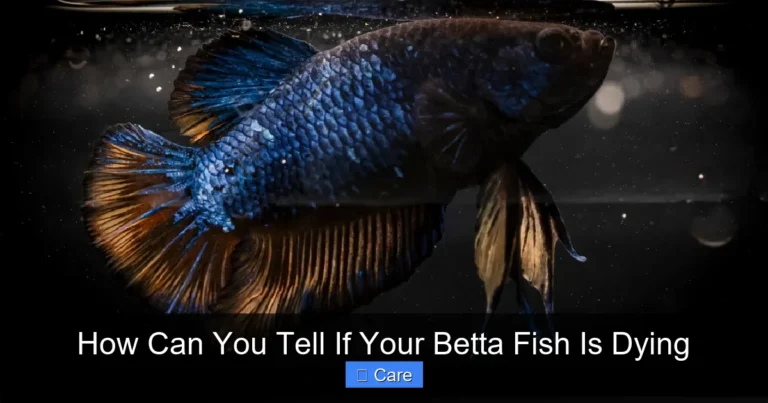
Do Betta Fish Eat Goldfish Flakes What You Need To Know
Do betta fish eat goldfish flakes? Technically yes, but it is not a safe or balanced choice for their long-term health. Goldfish flakes lack the high protein your betta needs and often contain fillers that cause digestive issues. This guide breaks down why specialized betta diets work better and how to choose the right food for vibrant, healthy fish.
Many new fish keepers ask the same question when they walk down the pet store aisle: do betta fish eat goldfish flakes? It seems like a simple swap. Both fish live in aquariums. Both come in colorful varieties. Both eat small floating pieces. Yet the answer is more nuanced than a quick yes or no. Your betta can physically chew and swallow a goldfish flake. The real issue lies in what that flake does to his body over time.
Bettas have very specific dietary needs. They evolved in shallow rice paddies and slow-moving streams where they hunted insects, larvae, and small crustaceans. Their digestive systems are built for protein-rich meals. Goldfish flakes, on the other hand, are formulated for omnivorous pond fish that graze on plant matter and algae. When you feed a betta food meant for a completely different species, you risk nutritional gaps, digestive upset, and long-term health decline.
This guide will walk you through exactly why goldfish flakes fall short, what happens when your betta eats them, and what you should feed instead. You will also learn how to spot early warning signs of a poor diet and how to build a simple feeding routine that keeps your fish active, colorful, and thriving. Let us dive in and clear up the confusion once and for all.
Key Takeaways
- Primary Diet Needs: Bettas are carnivorous fish that require high-protein foods, not plant-heavy goldfish flakes.
- Nutritional Mismatch: Goldfish flakes contain too many carbohydrates and fillers that can cause bloating and constipation in bettas.
- Occasional Feeding: A single flake rarely causes harm, but making it a regular habit leads to poor growth and dull colors.
- Better Alternatives: High-quality betta pellets, freeze-dried bloodworms, and live foods provide the nutrients your fish actually needs.
- Feeding Frequency: Offer small portions twice daily and remove uneaten food to keep water clean and prevent overfeeding.
- Watch for Signs: Lethargy, swollen bellies, or faded colors often signal a poor diet or digestive trouble.
- Tank Mates Matter: Goldfish produce heavy waste and prefer cooler water, which can stress bettas and complicate feeding routines.
📑 Table of Contents
- Do Betta Fish Eat Goldfish Flakes? The Short Answer
- The Nutritional Gap Between Bettas and Goldfish
- Can Goldfish Flakes Harm Your Betta Over Time?
- What Should You Feed Your Betta Instead?
- How Often and How Much Should You Feed?
- Do Bettas and Goldfish Share the Same Tank Needs?
- How to Transition Your Betta to a Better Diet
- Final Thoughts on Do Betta Fish Eat Goldfish Flakes
Do Betta Fish Eat Goldfish Flakes? The Short Answer
The direct answer to do betta fish eat goldfish flakes is yes, they will often take them from the water surface. Bettas are curious eaters and will usually bite at anything that moves or floats near them. However, just because they can eat something does not mean they should. Feeding goldfish flakes regularly creates a nutritional mismatch that slowly affects your fish.
Why Bettas Accept Them Anyway
Bettas rely heavily on movement and scent when hunting for food. A floating flake triggers their natural feeding response. Their jaws are also built to grab small pieces, so the physical size of a goldfish flake is not the problem. The problem is what sits inside that flake. Most goldfish formulas lean heavily on wheat, corn, and plant proteins. These ingredients fill the belly but do not fuel a betta the way insect-based proteins do.
What Happens When They Eat Them
A betta that eats goldfish flakes occasionally will likely show no immediate signs of trouble. The real risk builds over weeks and months. Low-quality protein sources and high carbohydrate levels can lead to sluggish digestion. You may notice your fish swimming less, losing his bright colors, or developing a slightly swollen midsection. These are early clues that the diet is not matching his biological needs.
Quick Tip: If you accidentally drop a goldfish flake into the tank, do not panic. Remove it with a net if you can, and return to a proper betta diet at the next feeding. One mistake will not harm a healthy fish.
The Nutritional Gap Between Bettas and Goldfish
Understanding do betta fish eat goldfish flakes safely requires a closer look at fish nutrition. Bettas and goldfish belong to different dietary categories. Bettas are primarily carnivorous. Goldfish are omnivorous scavengers. This difference shapes everything from ingredient lists to digestion speed.
Protein Requirements
Bettas thrive on diets that contain high-quality animal protein. In the wild, they consume insects, mosquito larvae, small worms, and tiny crustaceans. A good betta food usually lists whole fish, shrimp meal, or insect ingredients near the top. Goldfish flakes often rely on grain-based proteins and lower-grade fish meal. This means your betta gets less of the amino acids he needs for muscle maintenance, fin health, and vibrant coloration.
Carbohydrates and Fillers
Goldfish food frequently includes wheat, soy, corn, and other plant fillers. These ingredients help lower production costs and give goldfish a steady energy source. Bettas, however, process carbohydrates poorly. Too many fillers can sit in the digestive tract and cause bloating or constipation. Over time, this can reduce appetite and make your fish less active.
Fat Levels and Color Enhancement
Healthy fats play a big role in betta health. They support fin development, energy, and the bright reds, blues, and purples many keepers love. Goldfish flakes are not balanced for these needs. They may contain fats, but the source and ratio are designed for a different species. A diet that lacks the right fats can leave your betta looking dull and moving with less energy.
Quick Comparison: Betta Needs vs. Goldfish Flakes
- Protein Source: Bettas need animal-based protein. Goldfish flakes often use plant-heavy blends.
- Carbohydrate Load: Bettas handle low carbs best. Goldfish flakes usually contain higher filler levels.
- Digestive Match: Bettas digest easily when fed insect or fish-based foods. Goldfish flakes can slow digestion.
- Color Support: Bettas show best color with quality fats and pigments. Goldfish flakes rarely target these needs.
Can Goldfish Flakes Harm Your Betta Over Time?
Many keepers wonder if a small daily flake truly matters. The truth is that fish health reflects long-term feeding habits. Answering do betta fish eat goldfish flakes without addressing the long-term effects would leave out the most important part. Consistent feeding of the wrong food creates gradual stress on the body.
Digestive Strain
Bettas have short digestive tracts designed for protein-heavy meals. When they consume too many fillers, food moves more slowly through the gut. This can lead to constipation, reduced appetite, and abdominal swelling. You might see your betta rest on the bottom more often or struggle to swim to the surface smoothly.
Poor Growth and Dull Colors
Young bettas need strong nutrition to develop properly. Adults need steady nutrients to maintain fin condition and color intensity. Goldfish flakes do not provide the right balance for either stage. A betta on a poor diet may stop growing at a healthy rate or lose the sharp contrast in his patterns. Color fading is often one of the first visible signs that the diet needs improvement.
Water Quality Concerns
Goldfish flakes can break apart quickly and leave more waste behind. Uneaten pieces sink and decay, which raises ammonia and cloudiness. Bettas prefer clean, calm water with stable parameters. Poor water quality stresses the fish and makes them more vulnerable to illness. A diet that creates excess waste works against the tank environment you are trying to maintain.
Common Mistake: Using goldfish flakes because they are cheaper or more convenient. The short-term savings are not worth the long-term risk to your betta health and water quality.
What Should You Feed Your Betta Instead?
If goldfish flakes are not ideal, what should actually go into your betta tank? The best answer focuses on variety, quality, and portion control. A well-rounded betta diet supports energy, digestion, and color while keeping the tank cleaner.
High-Quality Betta Pellets
Specially formulated betta pellets are the easiest daily staple. Look for products that list animal protein first and avoid excessive fillers. Pellets also sink slowly or float predictably, which makes it easier to monitor how much your fish eats. Feed only what your betta can finish in a few minutes.
Freeze-Dried and Frozen Options
Freeze-dried bloodworms, brine shrimp, and daphnia make excellent supplements. These foods mimic the natural prey bettas would catch in the wild. They add variety and encourage natural hunting behavior. Frozen options often provide even better texture and nutrient retention, but they must be thawed before feeding.
Live Foods for Enrichment
Live foods bring the most natural feeding experience. Live brine shrimp, microworms, and vinegar eels are great choices for younger bettas or picky eaters. They stimulate activity and can help recover appetite during temporary stress. Just make sure any live food comes from a clean, reputable source to avoid introducing pests or disease.
Expert Insight: Variety is one of the strongest tools in betta care. Rotating between pellets, freeze-dried treats, and occasional live foods gives your fish a broader nutrient profile and keeps mealtime interesting.
How Often and How Much Should You Feed?
Portion size matters just as much as food type. Overfeeding is one of the most common mistakes new keepers make. Bettas have small stomachs, and too much food leads to waste, cloudy water, and digestive trouble. A simple routine keeps both your fish and your tank in better shape.
A Practical Feeding Schedule
Most adult bettas do well with one or two small feedings per day. A good starting point is two to three pellets per feeding, adjusted based on your fish size and activity level. If you offer treats like bloodworms, reduce the pellet portion that day. Treats should supplement the diet, not replace it.
Signs You Are Feeding Too Much
Watch for leftover food drifting around the tank. Notice whether your betta looks round rather than naturally streamlined. Pay attention to how often he comes to the surface and how quickly he clears the food. If uneaten pieces collect at the bottom, reduce the portion next time.
Fasting and Digestive Breaks
Some keepers use a short fasting day each week to help digestion. This gives the gut time to clear and can reduce bloating risk. If your betta seems fine, you may not need it. If you see mild constipation signs, a brief break from feeding can help reset his system. Always monitor behavior and adjust based on your fish needs.
Quick Tip: Remove uneaten food after a few minutes. This simple habit keeps ammonia lower and helps you track exactly how much your betta eats.
Do Bettas and Goldfish Share the Same Tank Needs?
This question often comes up because people see both species in pet stores and assume they can live together easily. While do betta fish eat goldfish flakes is a diet question, it also connects to a bigger issue: compatibility. Bettas and goldfish have very different tank requirements, and mixing them usually creates stress for both.
Temperature Differences
Bettas prefer warmer water, usually in the mid-seventies to low eighties range. Goldfish do better in cooler conditions and can become sluggish or stressed in warm water. A temperature that suits one fish often discomforts the other. This alone makes shared housing difficult.
Waste and Space
Goldfish produce a lot of waste and grow larger than many beginners expect. They need strong filtration and ample space to stay healthy. Bettas need calm water, clean conditions, and room to swim without constant competition. A crowded or dirty tank raises disease risk and lowers quality of life for both fish.
Behavior and Feeding Competition
Bettas can be territorial, especially in small spaces. Goldfish are active grazers and may outcompete a betta for food. If you are already asking whether goldfish flakes suit a betta, mixing the two only adds more confusion to feeding time. Separate setups usually lead to healthier, happier fish.
Common Mistake: Assuming all small aquarium fish can share one bowl or tank. Different species have different temperature, space, and diet needs, and those differences matter a lot.
How to Transition Your Betta to a Better Diet
If your betta has been eating goldfish flakes, do not switch everything overnight. A sudden change can confuse a picky eater or upset digestion. A gradual transition helps your fish adjust while still getting better nutrition.
Step One: Start With a Mix
Begin by offering a small amount of proper betta pellets alongside the usual flakes. Over several days, slowly increase the pellets and reduce the flakes. This gives your betta time to recognize the new food as edible and safe.
Step Two: Watch Appetite and Behavior
Some bettas adapt quickly. Others may ignore the new food at first. Keep sessions short and consistent. If your fish refuses the pellets, try soaking them briefly so they soften and release scent. You can also try a different brand with a stronger aroma or smaller size.
Step Three: Add Variety Slowly
Once your betta accepts pellets regularly, introduce a treat like freeze-dried bloodworms once or twice a week. Keep treats small and occasional. The goal is balanced nutrition, not a constant rotation of snacks.
Expert Insight: Patience pays off during diet changes. A betta that seems stubborn at first often learns to accept better food once he realizes it is safe and familiar. Consistency matters more than speed.
Final Thoughts on Do Betta Fish Eat Goldfish Flakes
So, do betta fish eat goldfish flakes? They can, but they should not make them a regular part of the diet. Goldfish flakes are built for a different kind of fish with different nutritional needs. Feeding them to your betta may fill his stomach, but it does not give him the protein, fats, and digestibility he needs to stay healthy and colorful.
A better approach is simple. Choose high-quality betta pellets as the main staple. Add occasional freeze-dried or live treats for variety. Keep portions small and remove leftovers. Watch for signs of bloating, dull color, or low energy, and adjust the diet when needed. These habits create a cleaner tank and a stronger, more active betta.
Your betta depends on you to make the right feeding choices. When you match the food to the fish, you give him the best chance to thrive. Skip the goldfish flakes, focus on proper betta nutrition, and you will see the difference in his behavior, appearance, and overall vitality.
Frequently Asked Questions
Can betta fish survive on goldfish flakes alone?
They may survive for a while, but they will not thrive. Goldfish flakes lack the high protein and proper nutrient balance bettas need, so long-term use can lead to dull colors, low energy, and digestive issues.
Is it okay to give my betta a goldfish flake as a treat?
An occasional flake is unlikely to cause serious harm, but it is not an ideal treat. Better options include freeze-dried bloodworms or brine shrimp, which match a betta natural diet much more closely.
Why do bettas like goldfish flakes if they are not good for them?
Bettas are attracted to movement and scent, so they often bite at floating flakes even when the nutrition is poor. The fact that they eat something does not mean it supports their health.
What are the signs that goldfish flakes are hurting my betta?
Watch for a swollen belly, constipation, faded color, lethargy, or uneaten food building up in the tank. These signs often point to a poor diet or digestive strain.
Can I mix goldfish flakes with betta pellets?
You can, but it is better to phase out the flakes gradually. Start with mostly pellets and reduce the flakes over time so your betta adjusts to a more suitable diet.
Do betta fish need special food compared to other aquarium fish?
Yes, bettas need protein-focused food designed for carnivorous fish. Their diet should center on quality pellets and occasional insect-based treats rather than plant-heavy community fish food.